

Academics
Intro to Web Development
Final Project
MoodMeal is an interactive web experience that reimagines how we choose where to eat: by starting with how we feel. Instead of endlessly scrolling through reviews or maps, users select a mood: cozy, trendy, social, hungover, etc, and are guided toward curated dining spots that match that vibe. Each recommendation goes beyond food, blending atmosphere, interior design, and overall experience to help users find places that feel right in the moment.
Rooted in my passion for exploring the city’s food scene, MoodMeal combines psychology, design, and local culture to turn decision making into something intuitive and enjoyable. I designed and coded the entire experience, focusing on playful interactivity and personality. As users interact with the site, they will notice details like a custom sushi cursor, mood-based emojis, and a vibrant color system that shifts with each selection.
The result is a digital experience that feels less like a tool and more like a mood-driven journey, transforming the simple act of choosing where to eat into something expressive, personal, and effortless.
*A look into my process is in the About section on the website.
Contemporary Techniques in Digital Photography and Imaging
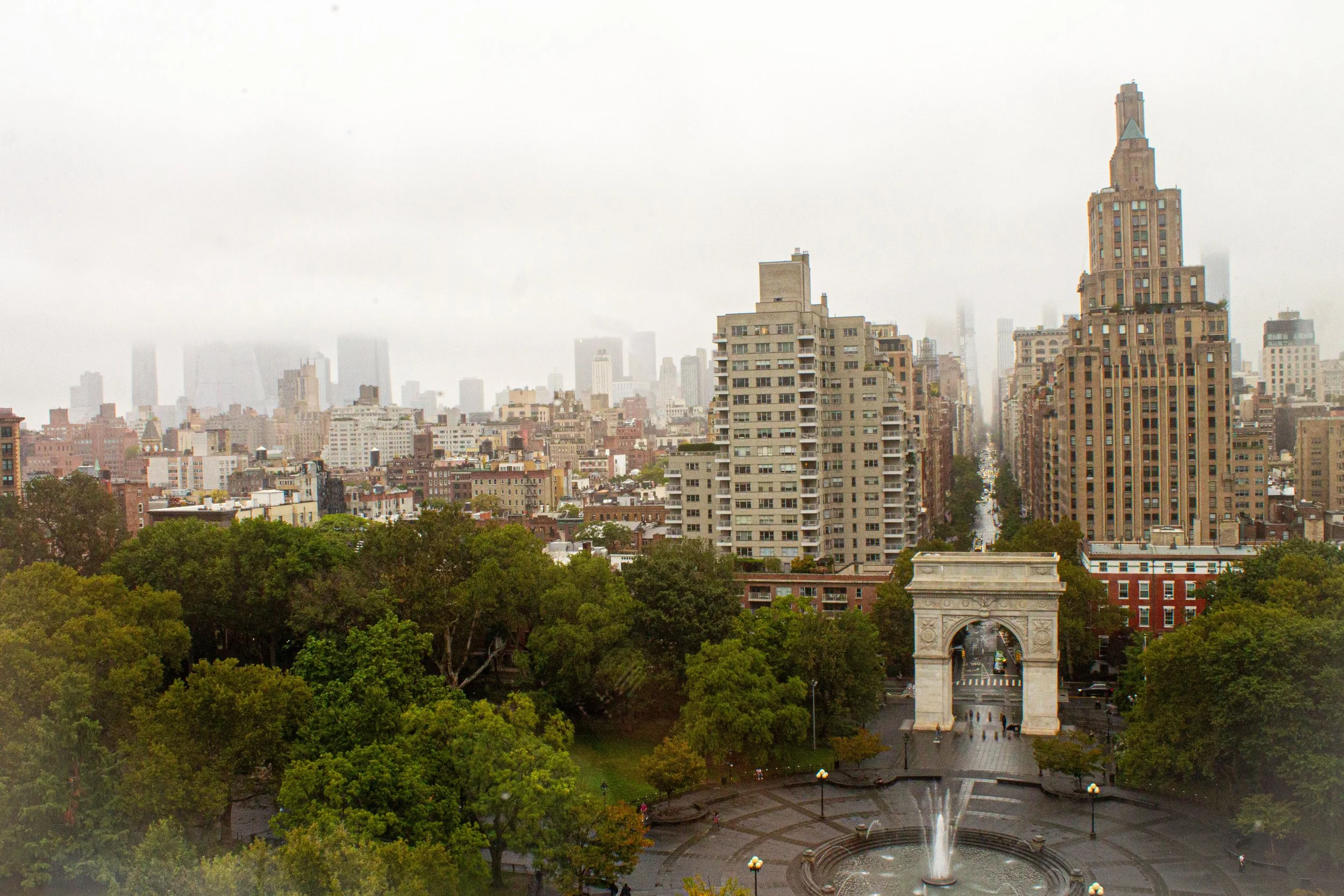
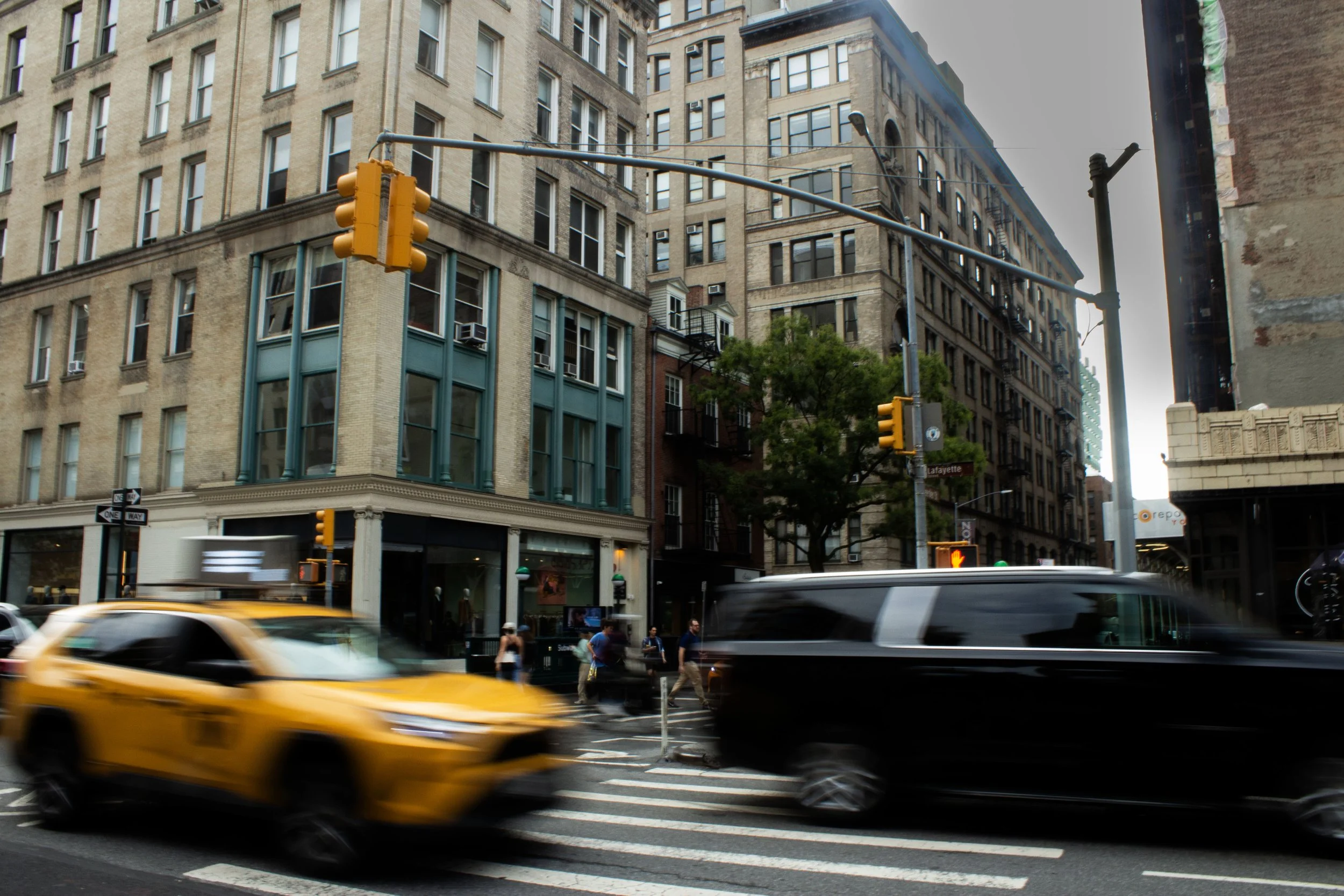





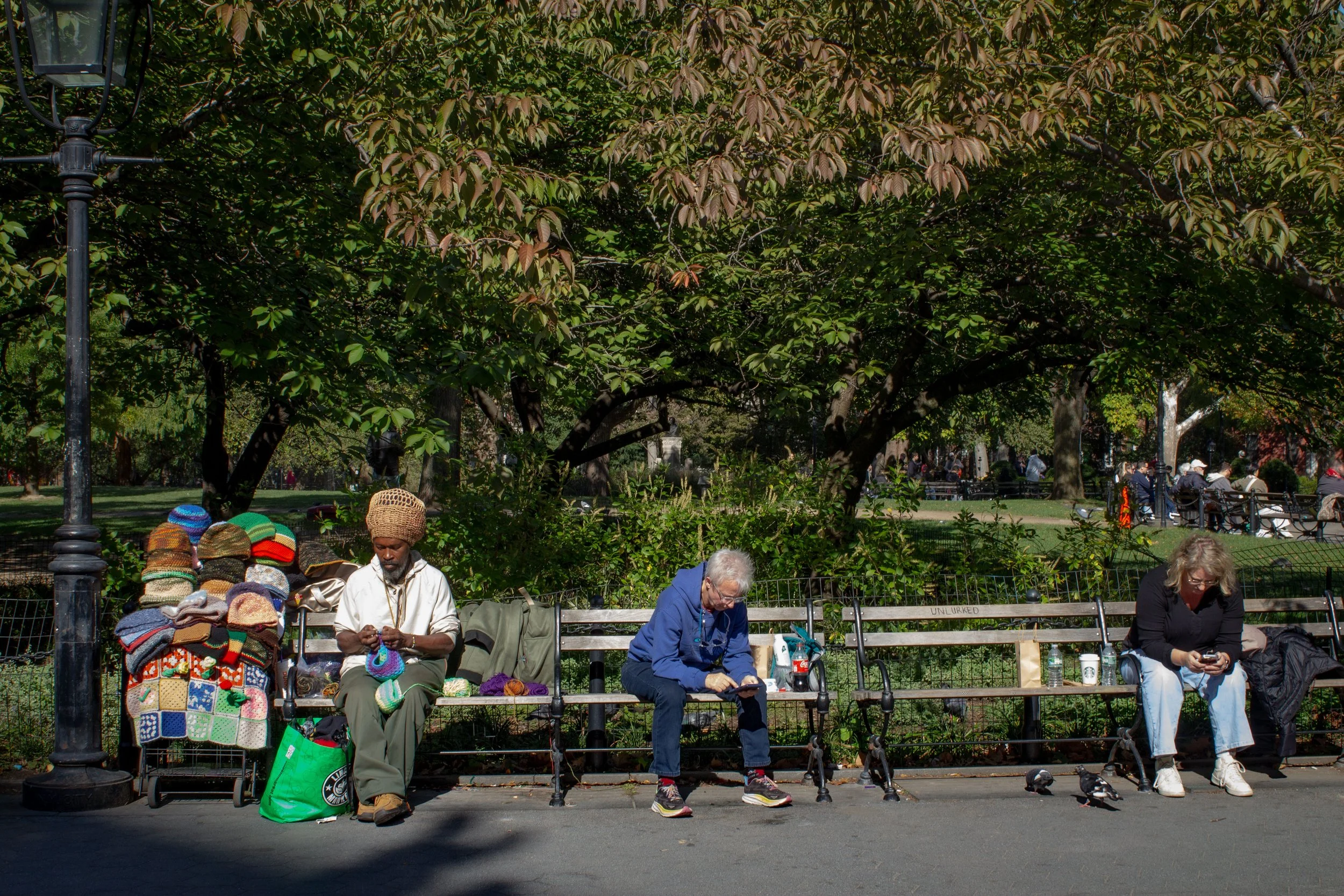
Final Portfolio
This PDF includes the complete project, with all final visuals plus my full creative process, research, and development behind the work.
Visual Foundation Studio
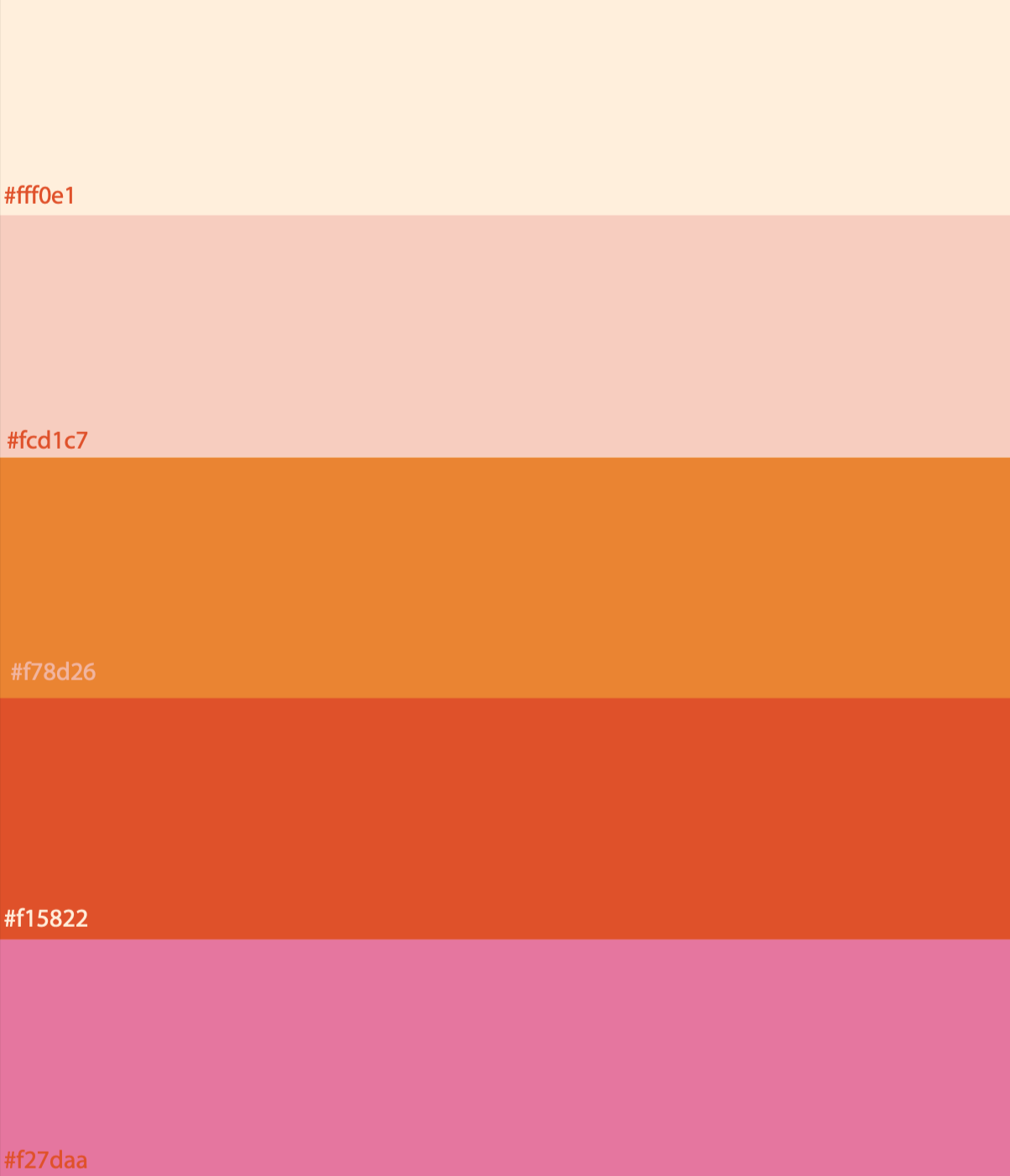


Food Photography
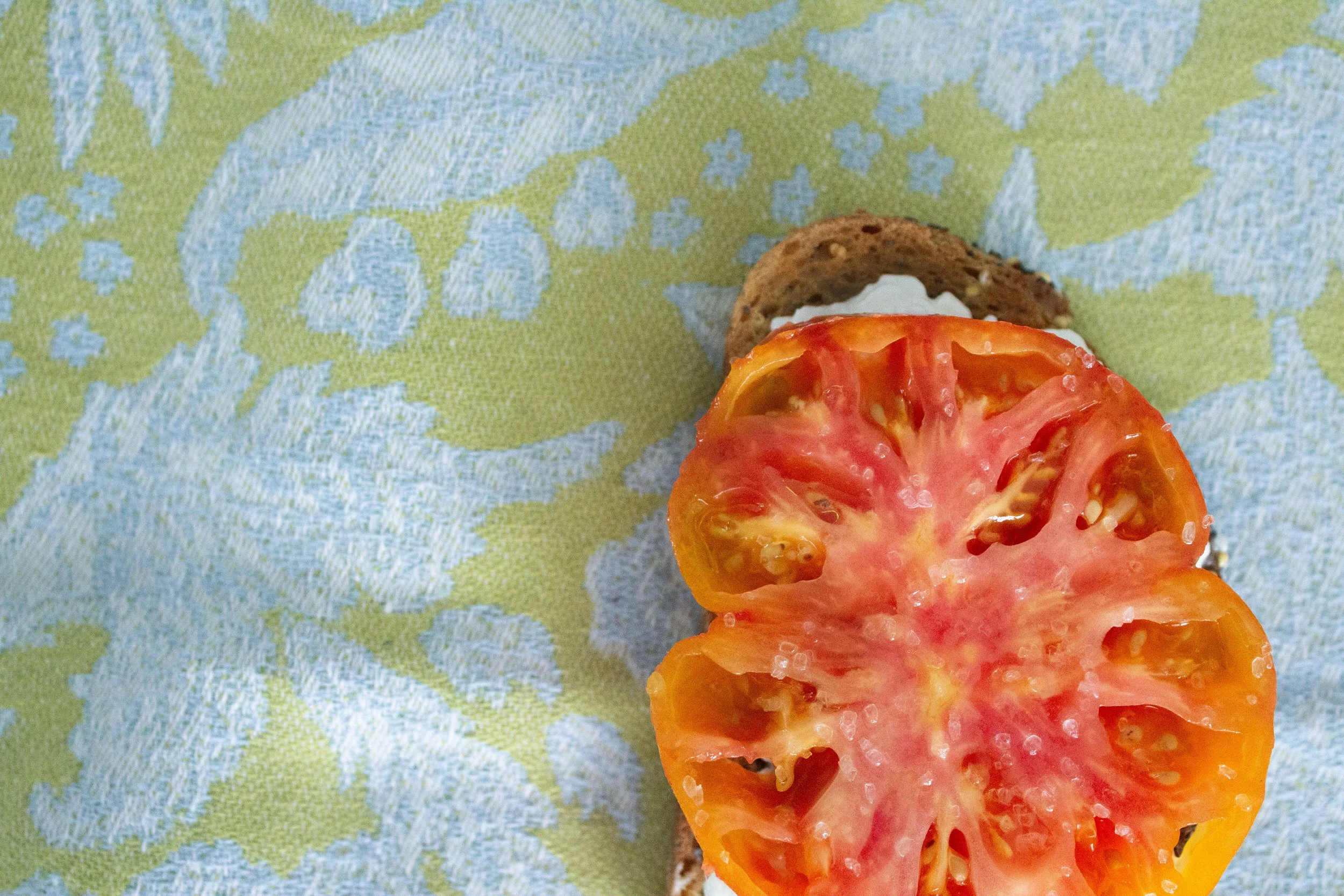
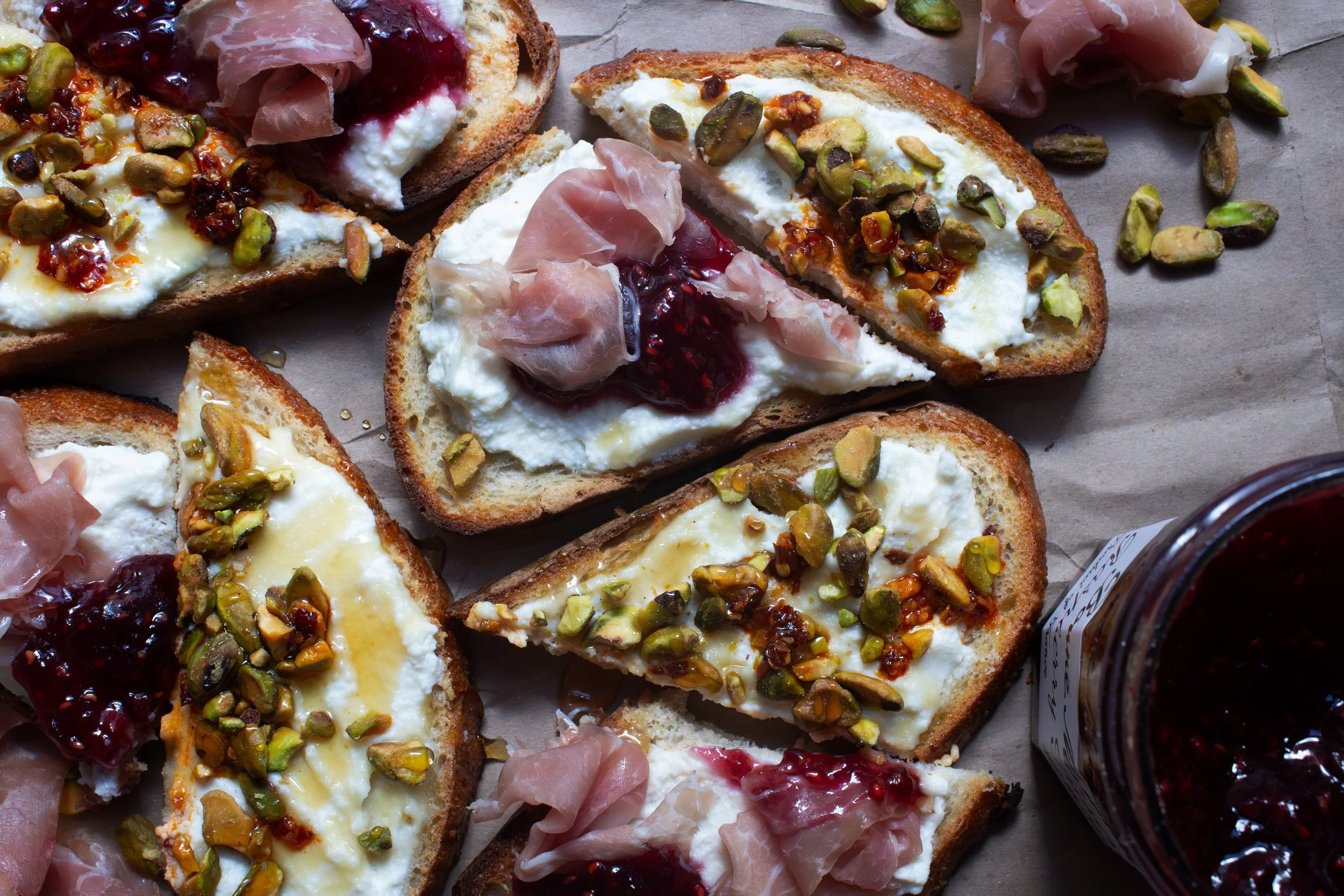

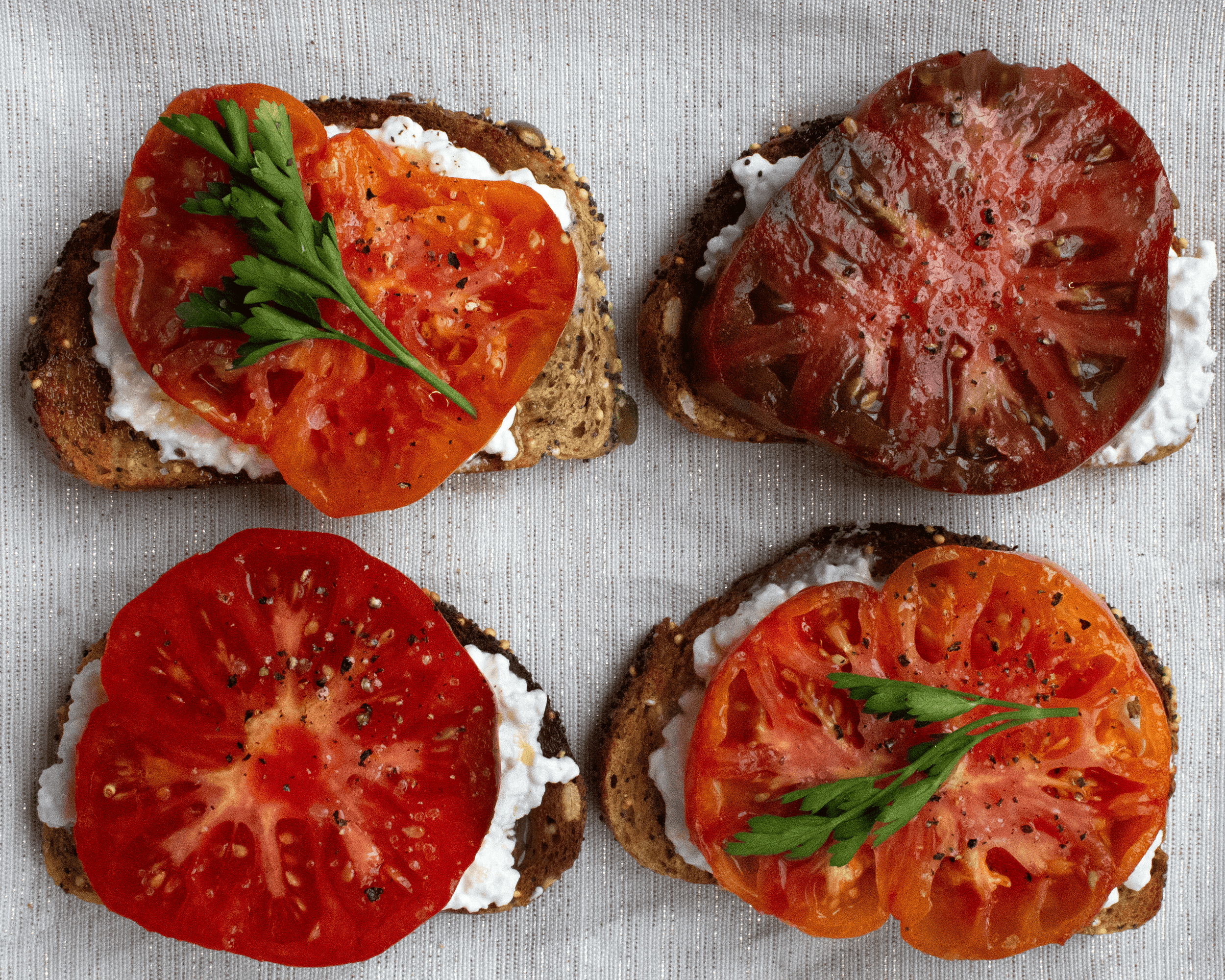

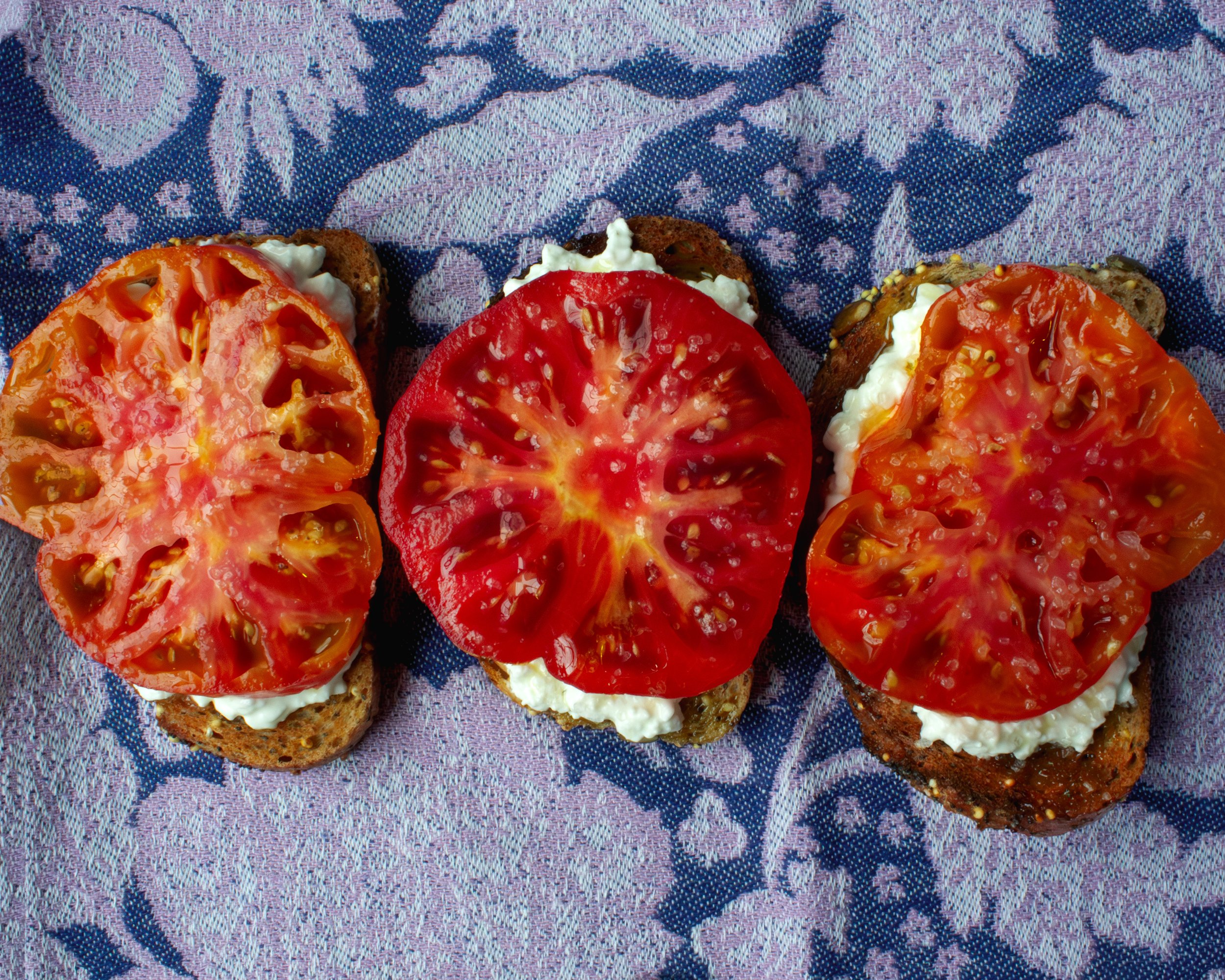
Process
Still & Moving Images
Where Are You From?
This experimental video montage explores the question “Where are you from?” through fragmented memories, archival footage, and layered visuals that blur geography and identity. Moving between adoption from China, childhood suburban Massachusetts, experiencing loss, and young adulthood in New York City, the film resists a singular answer, instead presenting “home” as something shifting, constructed, and emotionally rooted rather than fixed. Through juxtaposition of past and present, the piece reflects on adoption, grief, and the quiet disorientation of belonging to multiple places at once.
Self/Portrait Experimental Video Montage
For my self-portrait video, I decided to capture one of the most critical and foundational characteristics of myself: dance.
I grew up as a dancer from the age of three, and from a very young age, I was always performing. Whether it was putting on little shows for my family, dancing around the house, or finding any excuse to be on a stage, I was constantly drawn to movement and expression. So when I made the difficult decision not to pursue dance academically and professionally, it came as a shock to everyone around me. Although I may not identify as a dancer today, dance is something that still deeply encapsulates who I am.
Dance gave me the discipline I carry with me in everyday life, the artistry I admire in the world around me, and the creativity I bring to every project I pursue. It also gave me the friends and mentors who helped shape the person I am today, and a lifelong love for movement.
Even now, dance finds its way into my life in quiet and unexpected moments, whether that’s subconsciously shuffling my feet while standing in line at the grocery store or being the one on the dance floor at a party, moving freely to the music without hesitation. In this way, dance never really left me. Instead, it transformed into something more subtle but just as present, living within the rhythm of my everyday life
Ideation and Prototyping
Process Stite
Curriculum
This course explores the creative process as a framework for generating ideas across art, design, technology, and business, with an emphasis on experimentation, iteration, and process-driven work.
Focus
Idea generation and conceptual thinking
Design research and iterative making
Audience- and context-aware design
Creative risk-taking and problem-solving
Outcomes
Develop ideas from concept to realization
Translate research into visual outcomes
Communicate process through documentation and reflection
Structure
Lectures, discussions, and hands-on exercises, multi-step assignments, critique and feedback sessions
Process and experimentation valued as much as final work