

Applied Work
Industry Work
Company
Charlotte Cooper Creative
Position
Lead Designer
My current work focuses on bringing emerging consumer brands to life through brand identity, packaging, product launches, campaigns, and marketing design. I partner closely with the agency’s founder and creative director to lead the visual development of emerging consumer brands, spanning brand identity, packaging, product launches, campaigns, and creative design. From concept through execution, I translate client goals into cohesive visual systems and lead hands-on design across a range of touchpoints.
Work in Progress🤭👩🏻💻🎨
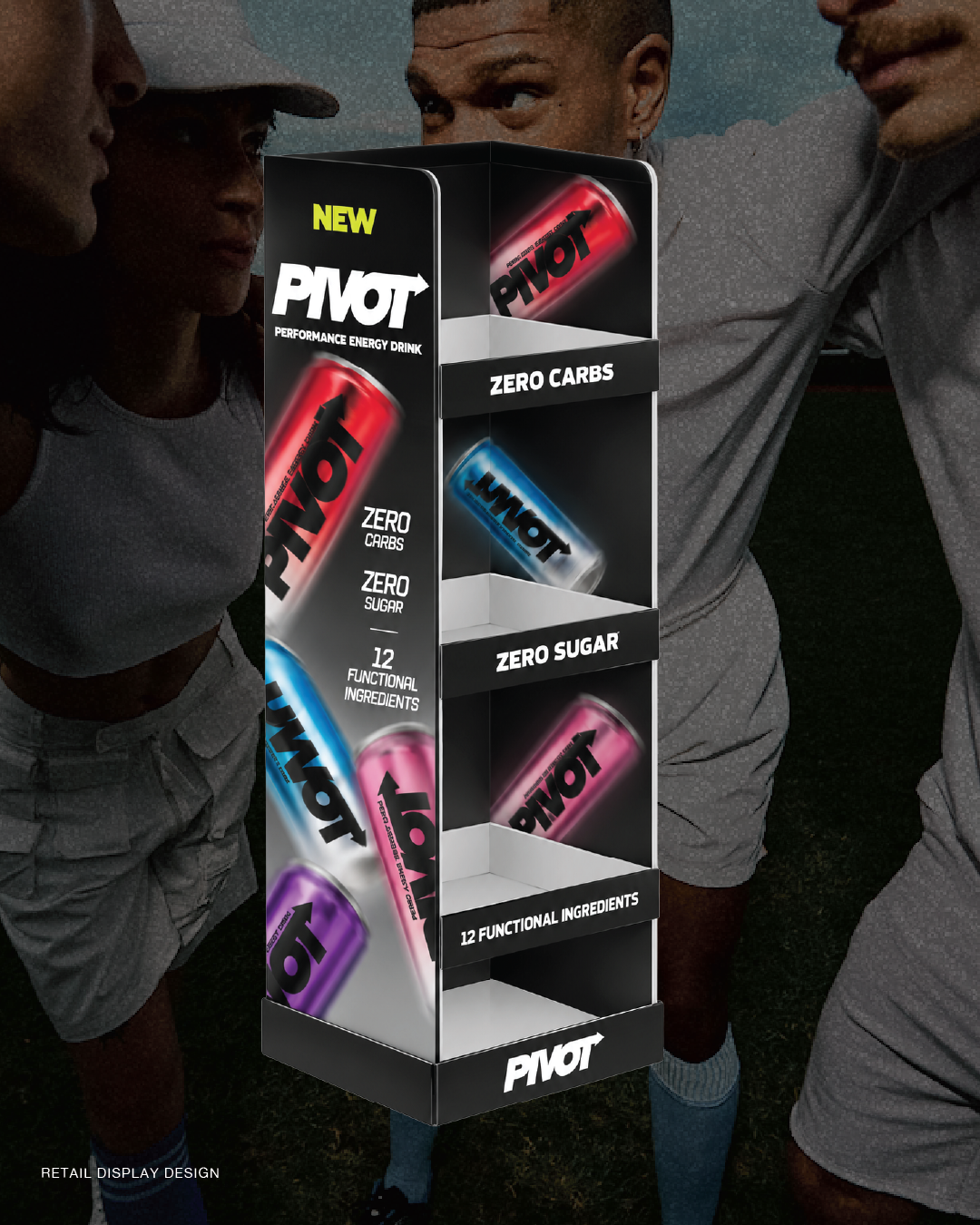
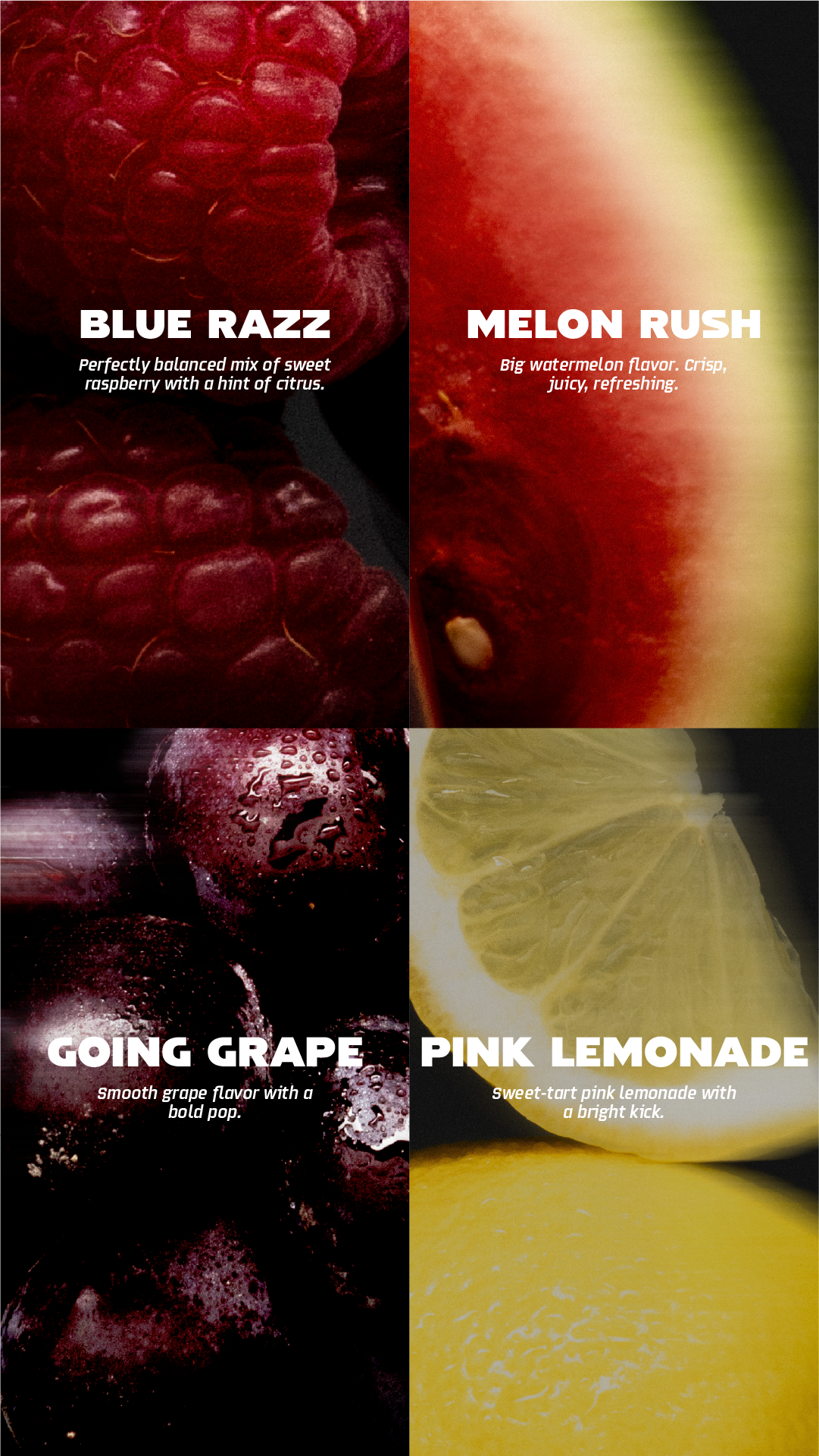
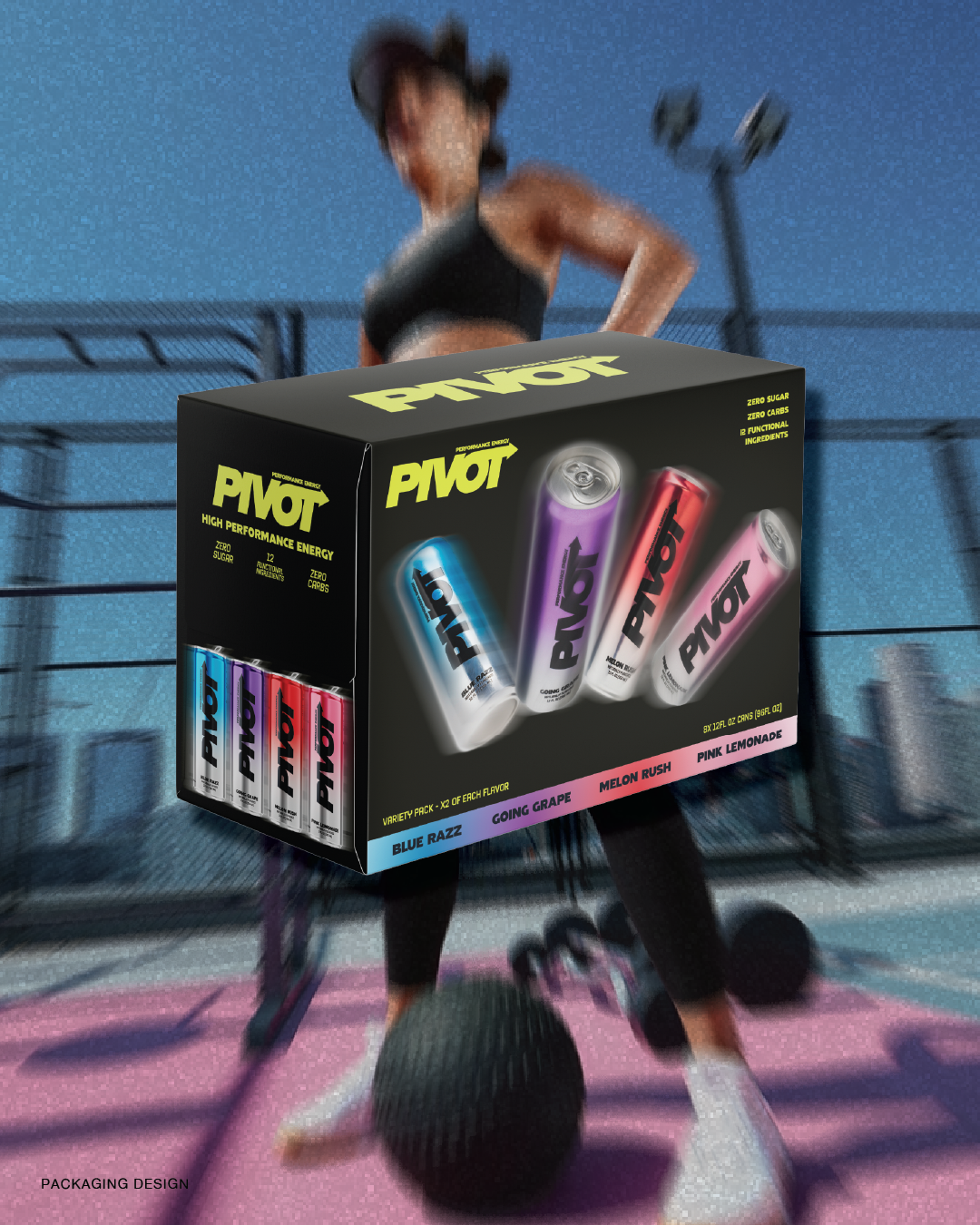
Much of my recent work is still making its way into the world, but additional branding, packaging, and creative work is available to share upon request.
Learn more about the agency here: https://charlottecooper.world
· CPG Branding · Consumer Brand Development · Brand Identity · Packaging Systems · Packaging Design · SKU Development · Product Launches · Creative Concepting · Dieline Development · Product Mockups · Merch Design · Retail & Consumer Touchpoints · Campaign Design · Art Direction · Brand Systems · Print Production · Social & Digital Design · Client Collaboration
· CPG Branding · Consumer Brand Development · Brand Identity · Packaging Systems · Packaging Design · SKU Development · Product Launches · Creative Concepting · Dieline Development · Product Mockups · Merch Design · Retail & Consumer Touchpoints · Campaign Design · Art Direction · Brand Systems · Print Production · Social & Digital Design · Client Collaboration
Company
617MediaGroup
Position
Creative Project Management Intern
Moodboards
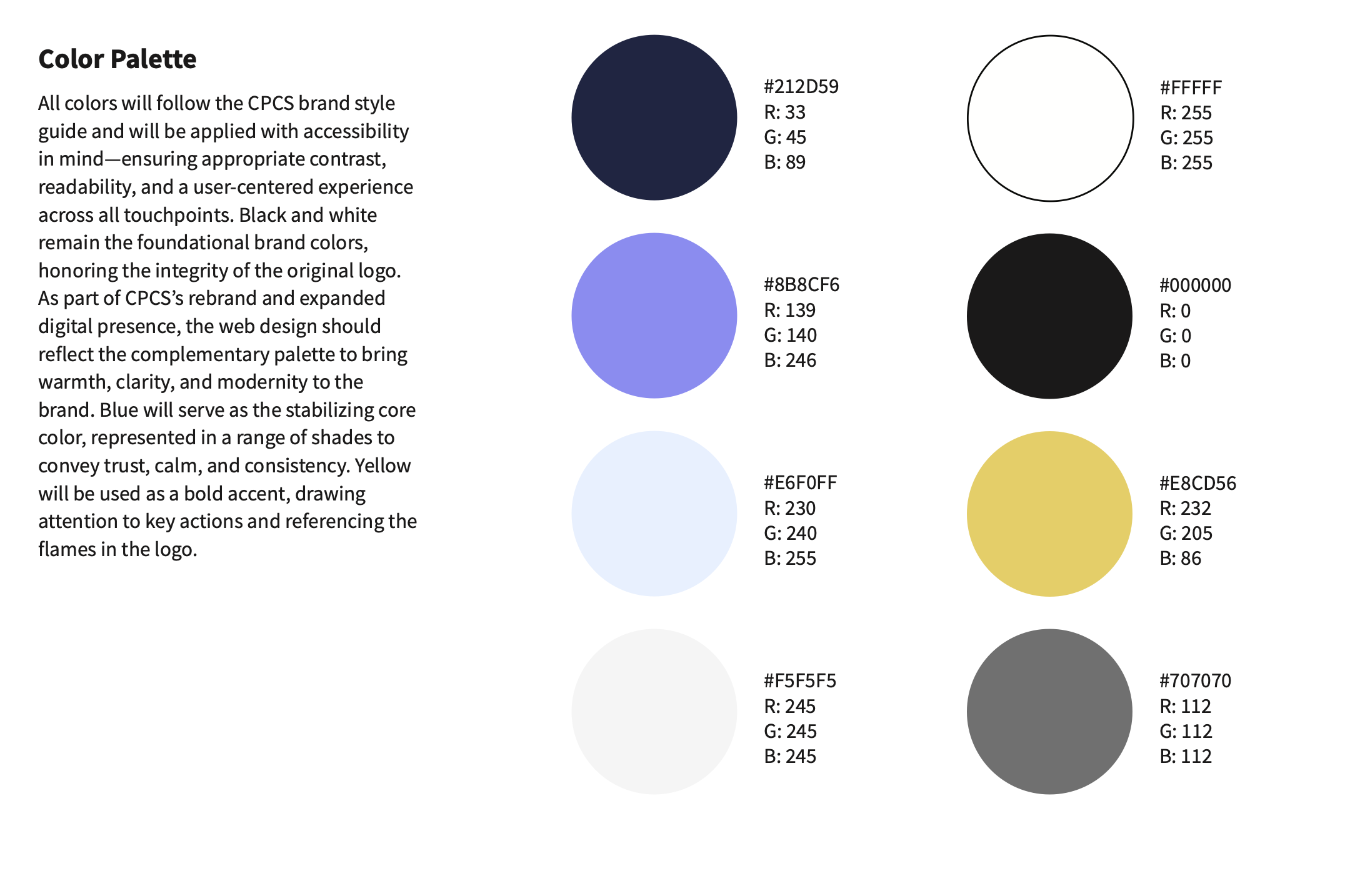
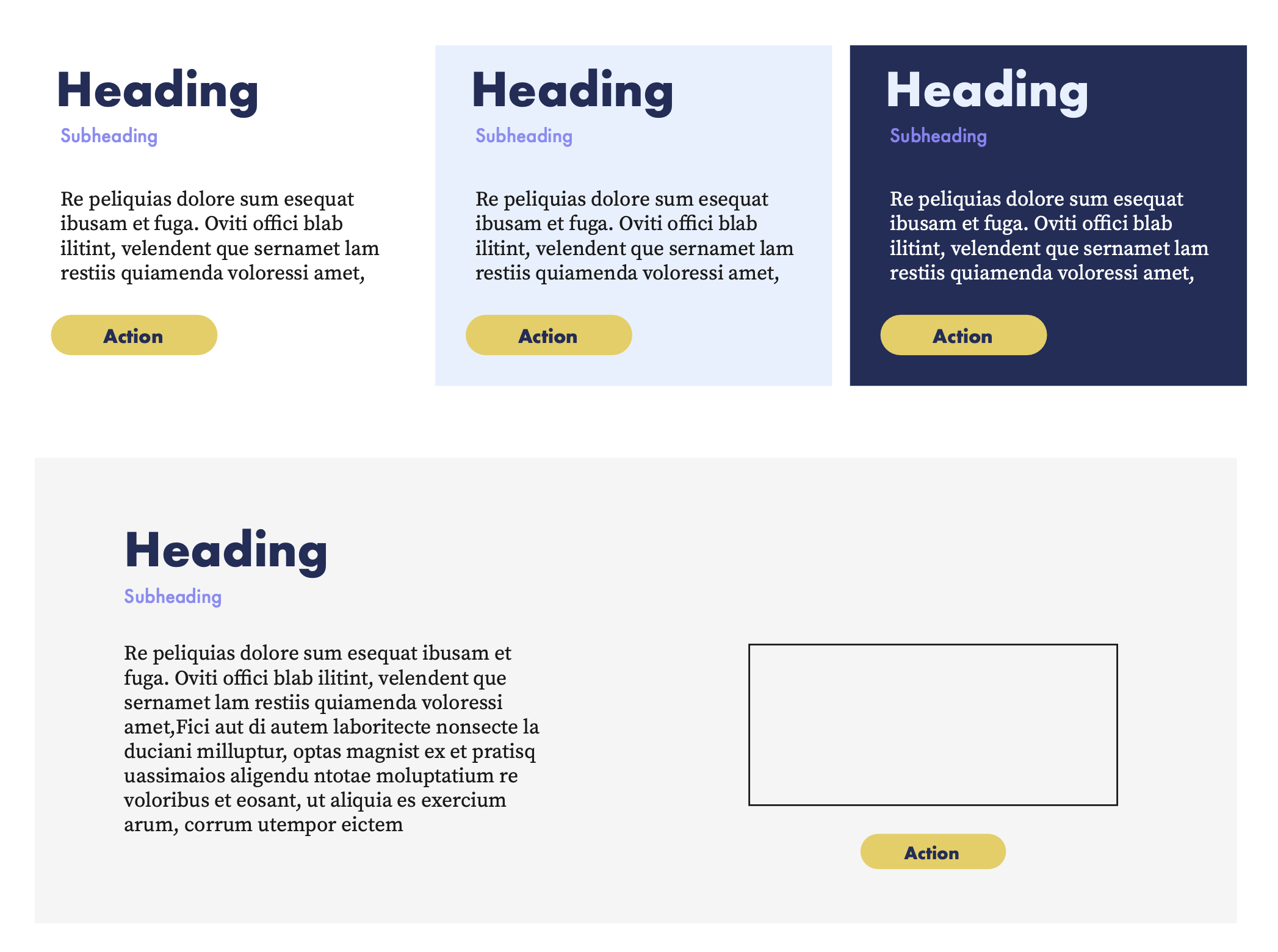
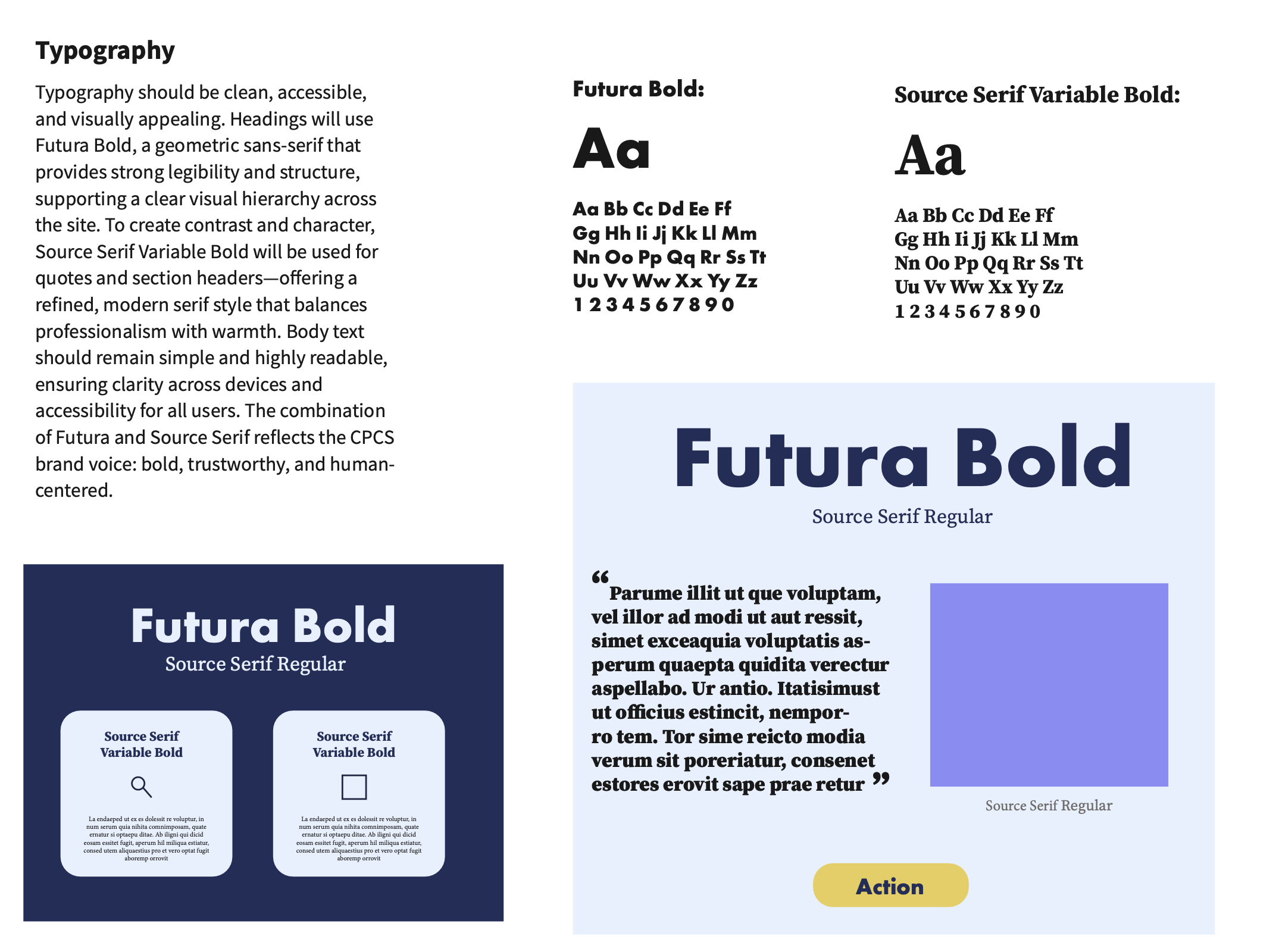

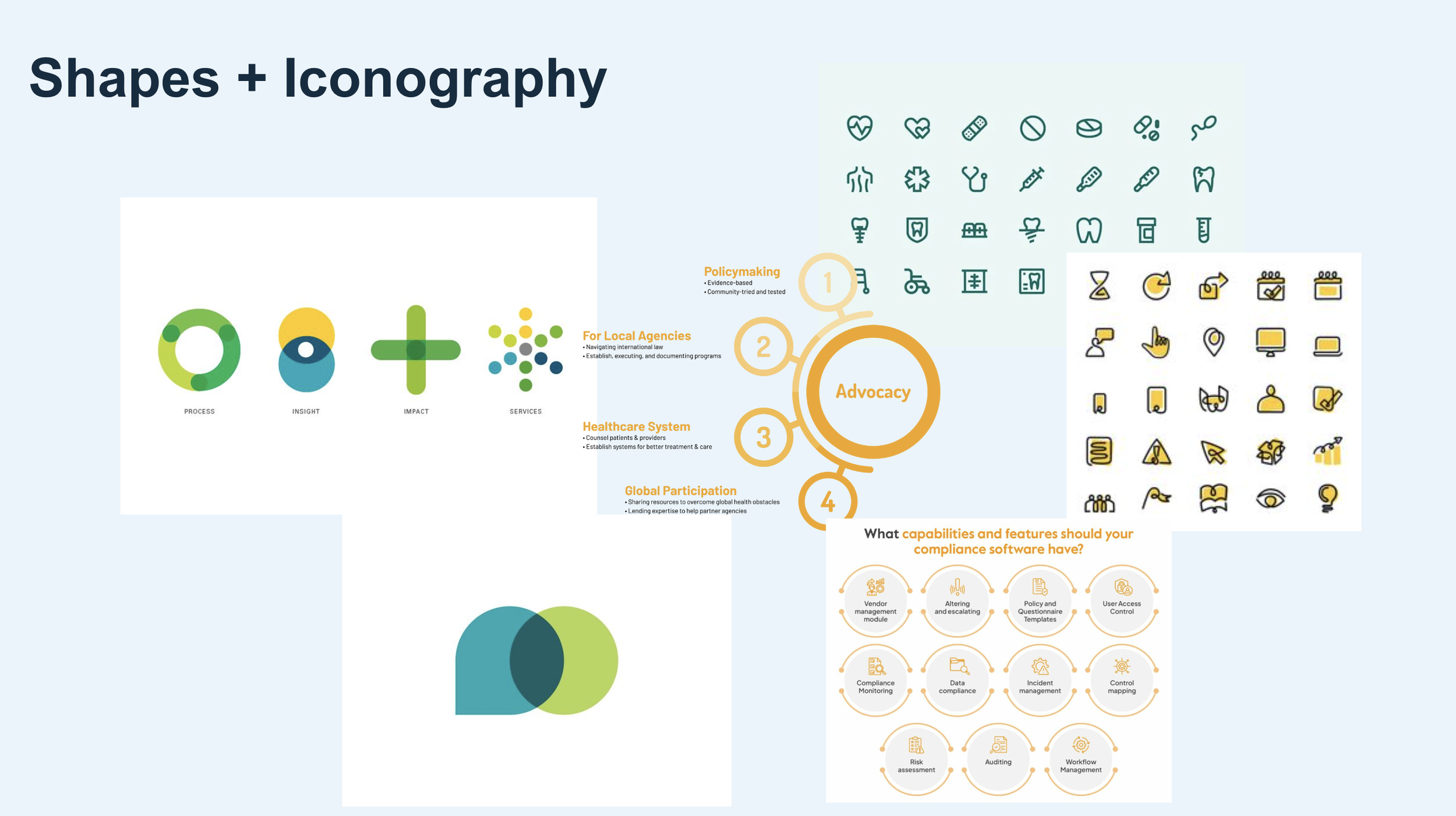
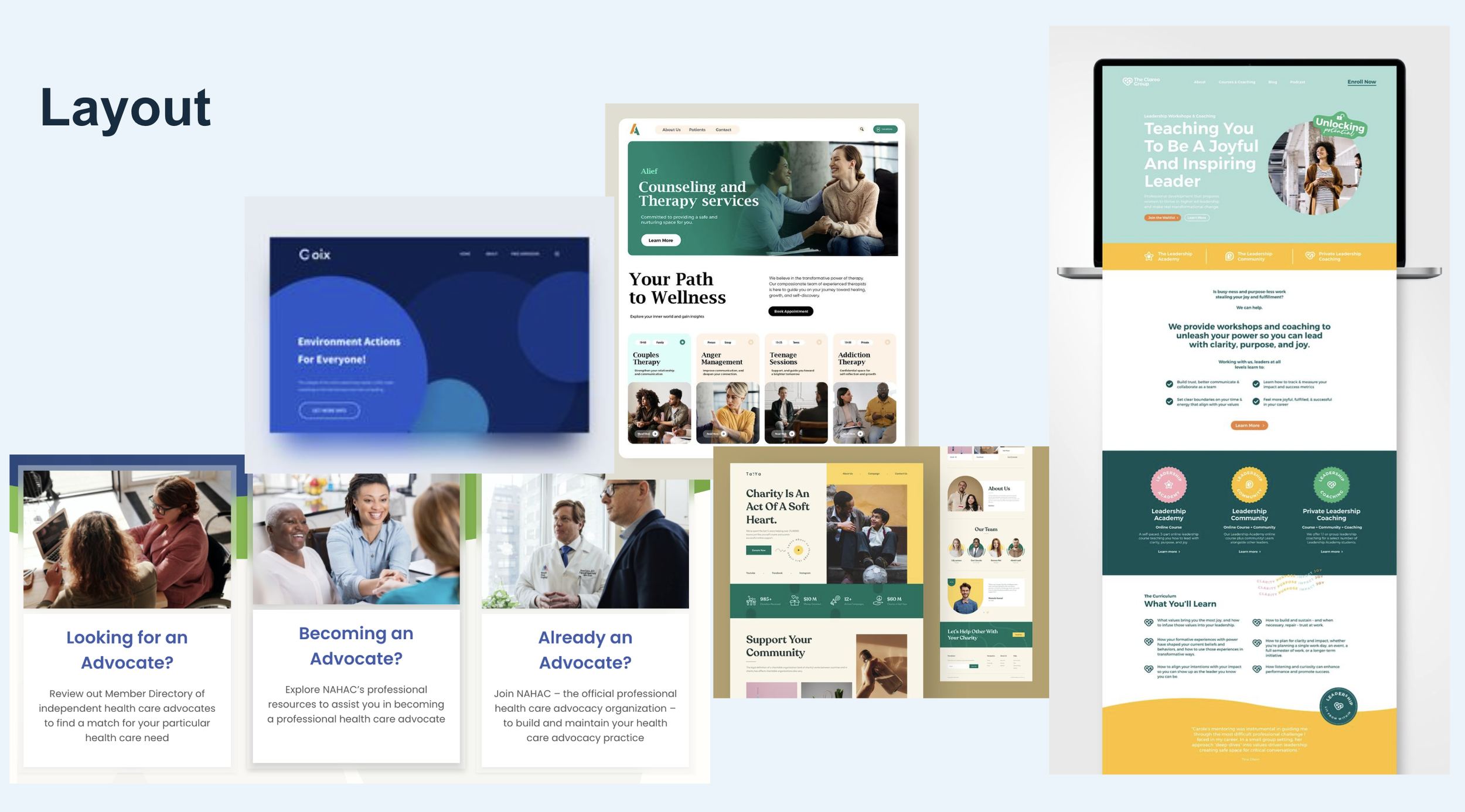
Website Audits
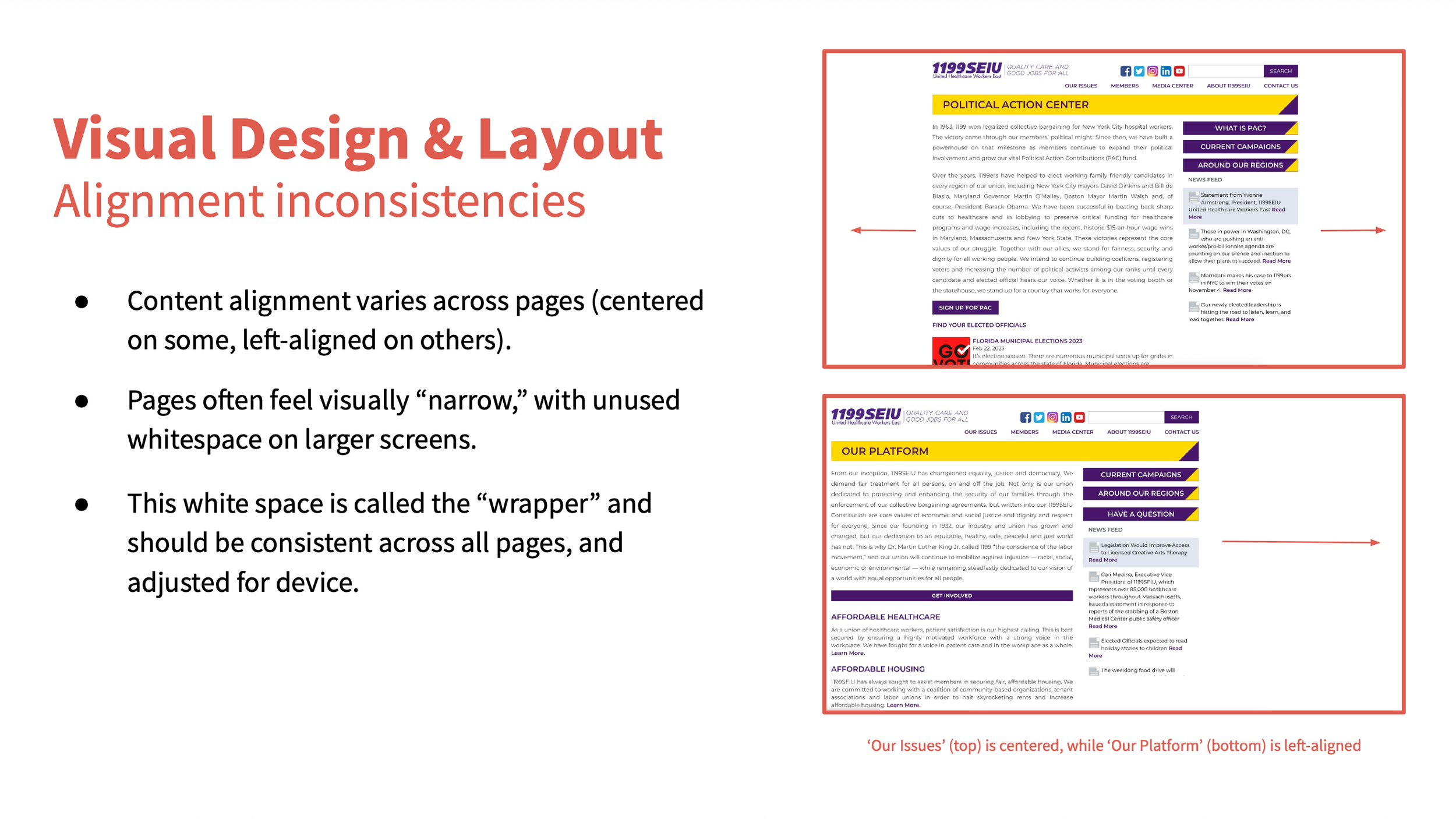
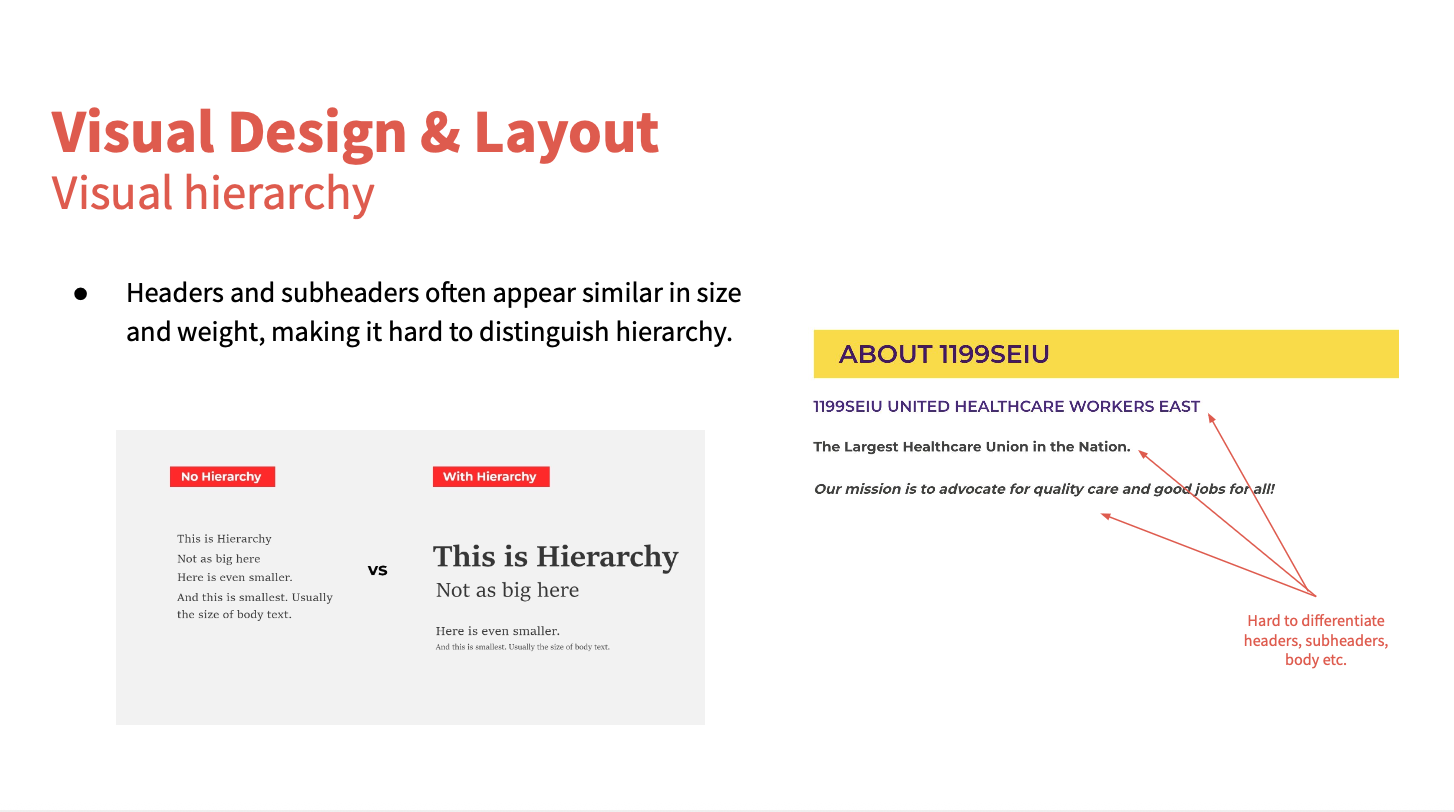
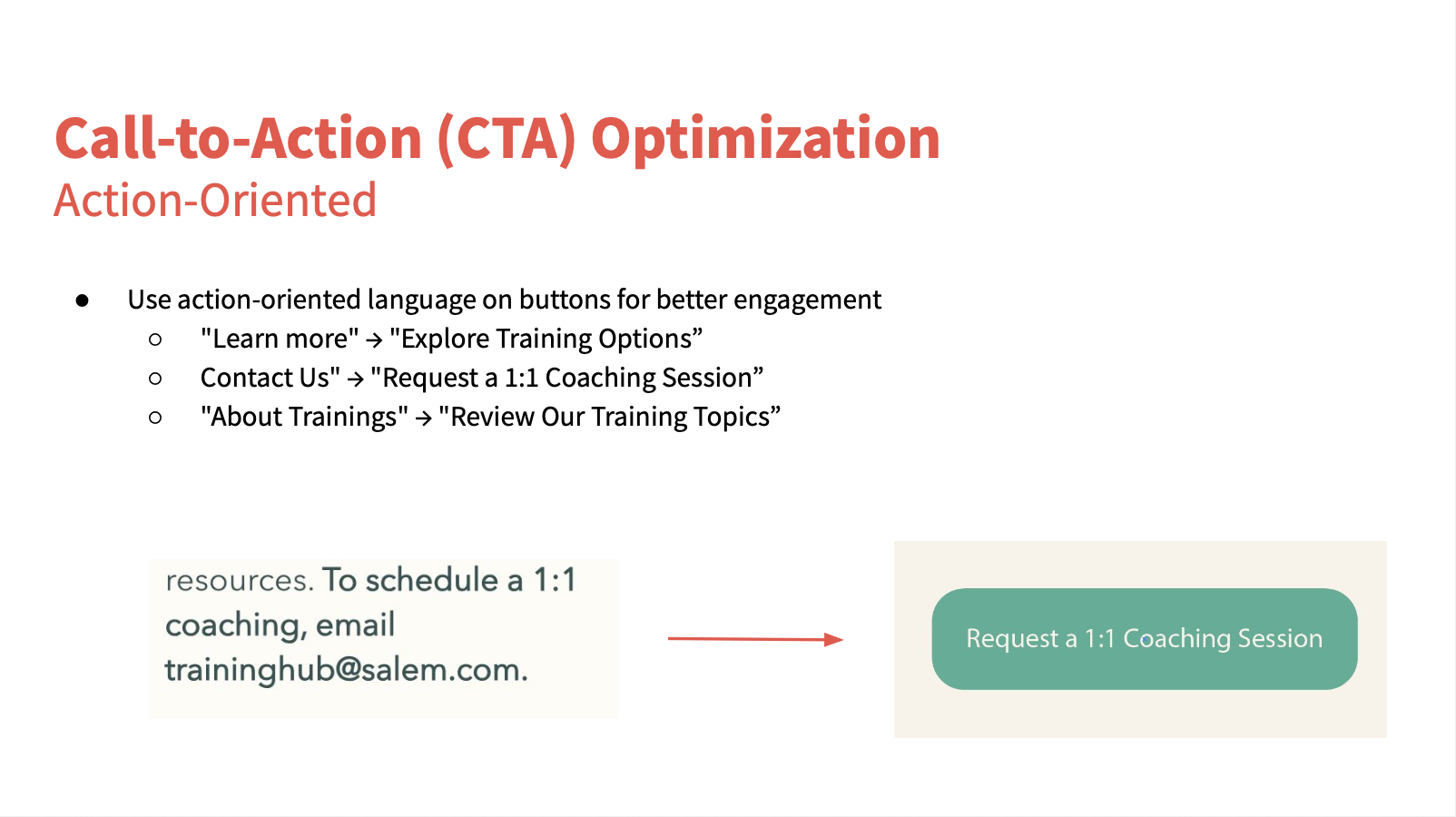
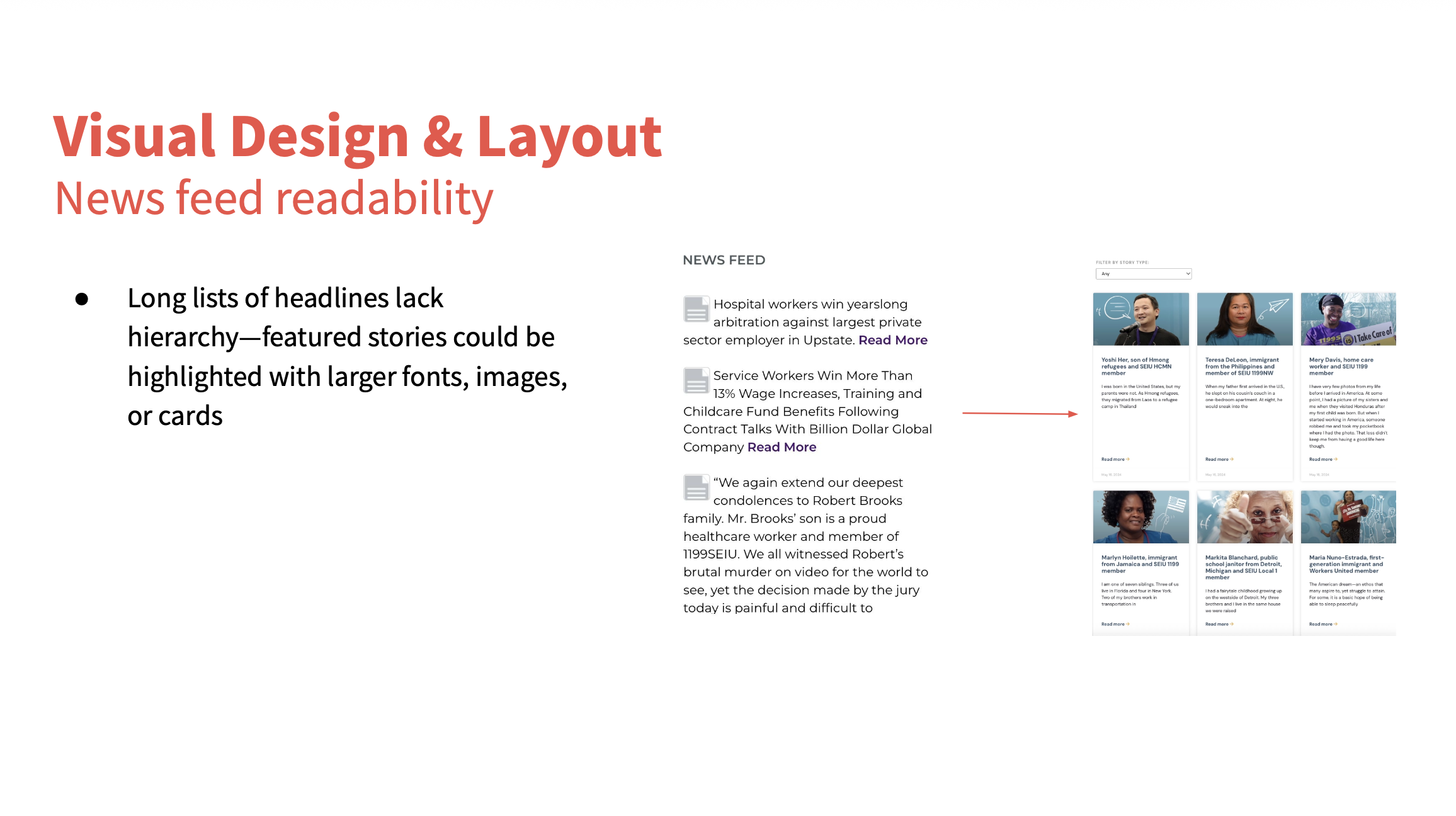
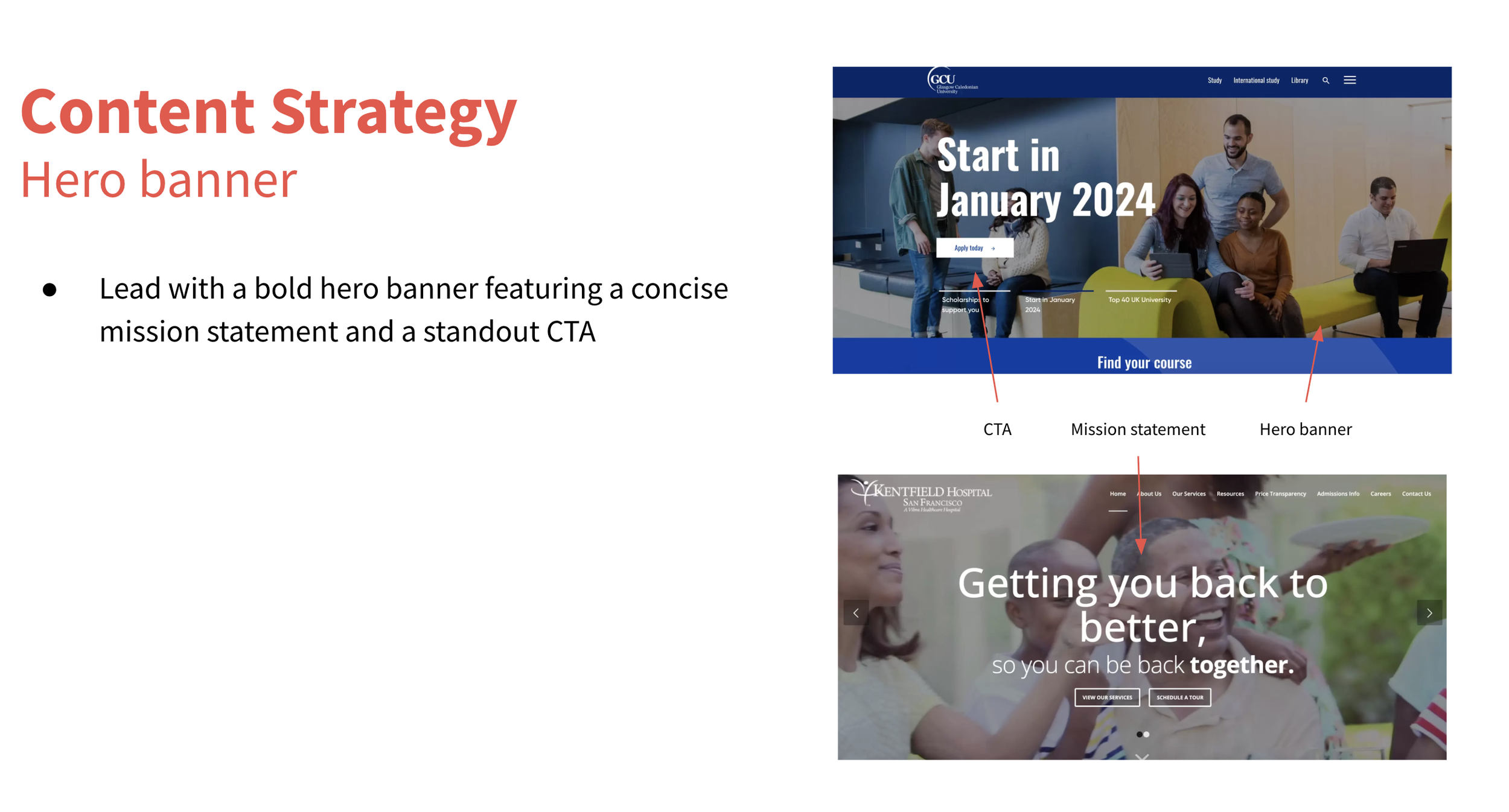
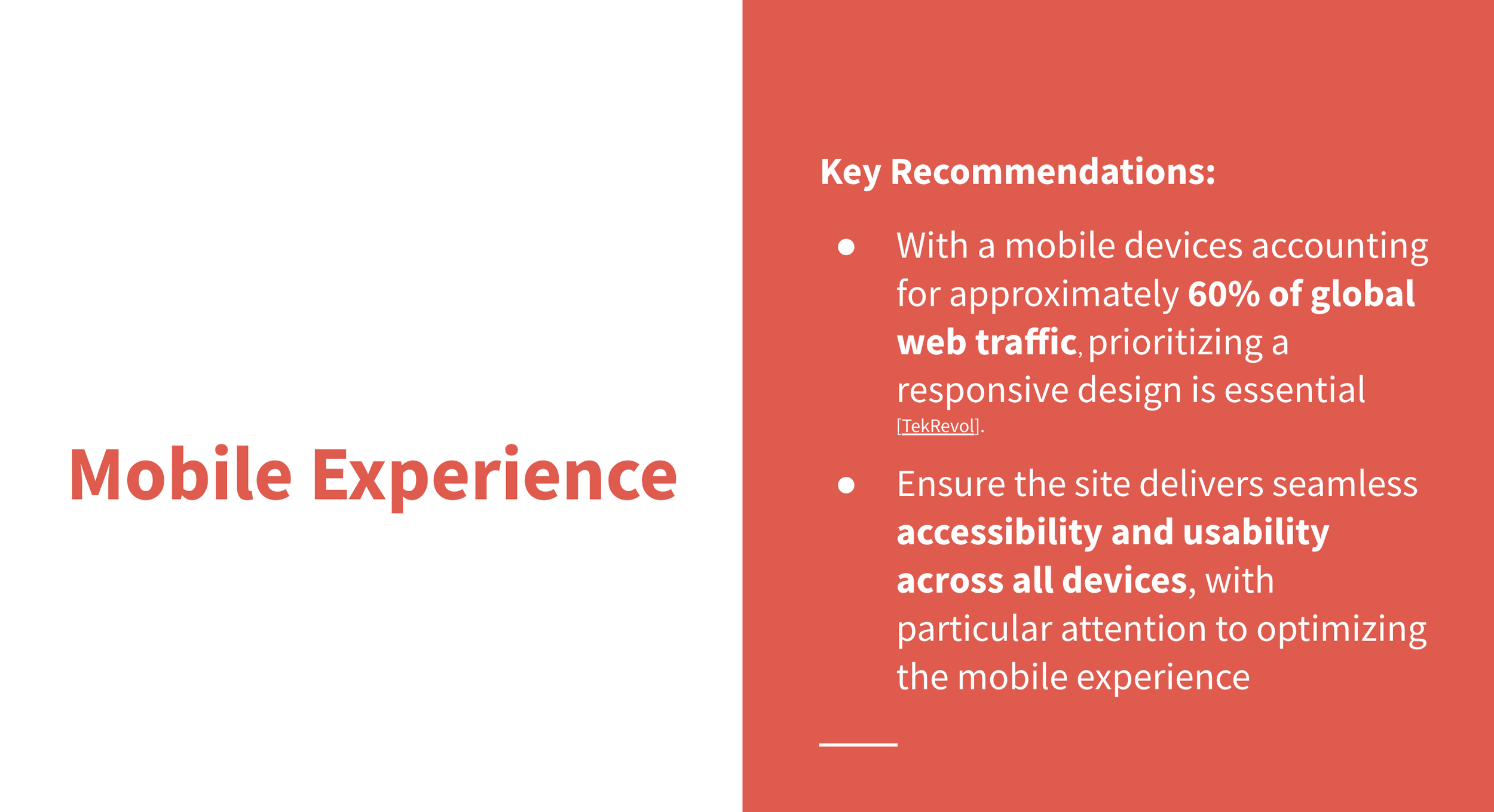
Planning and Strategy
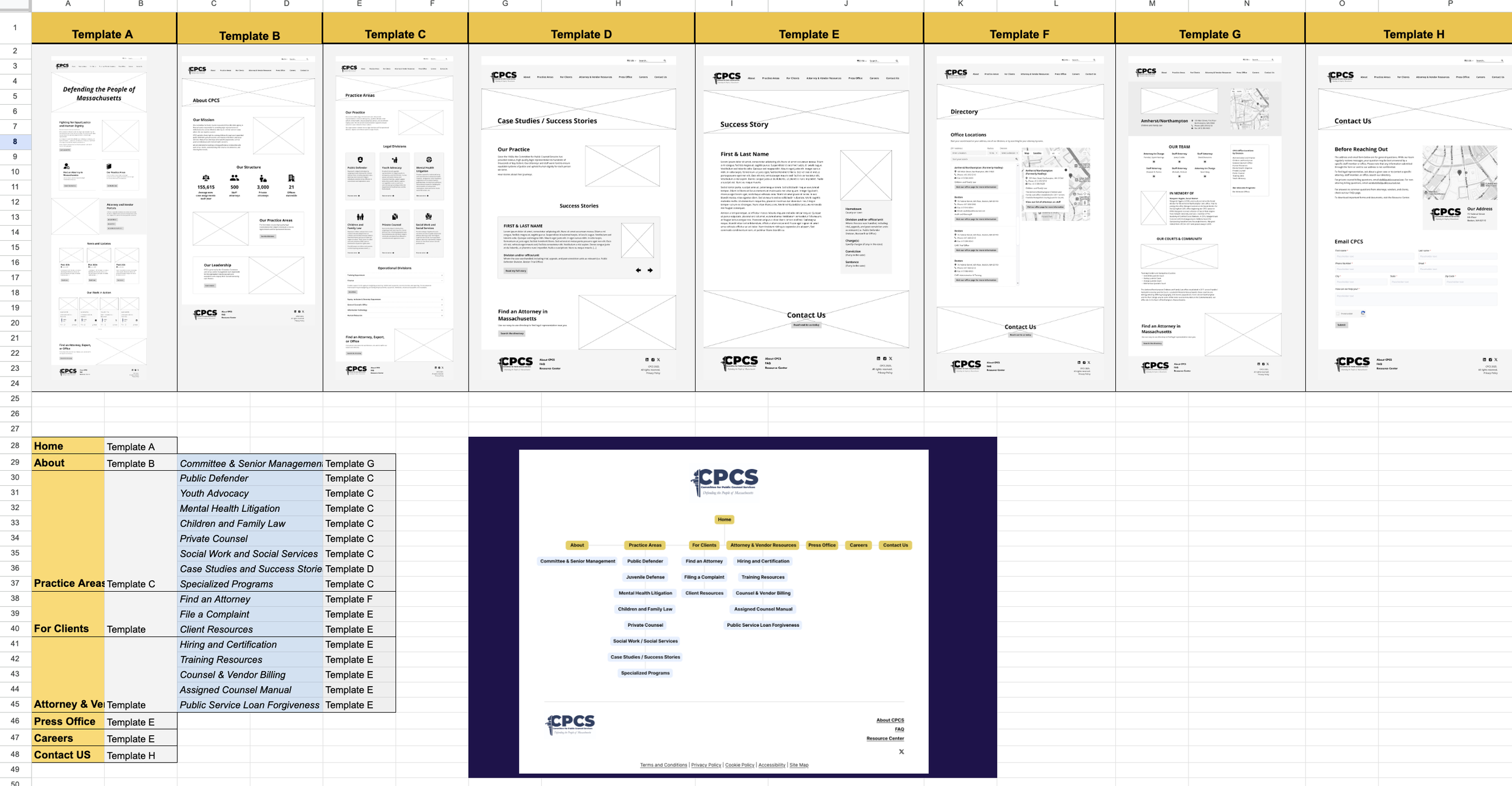
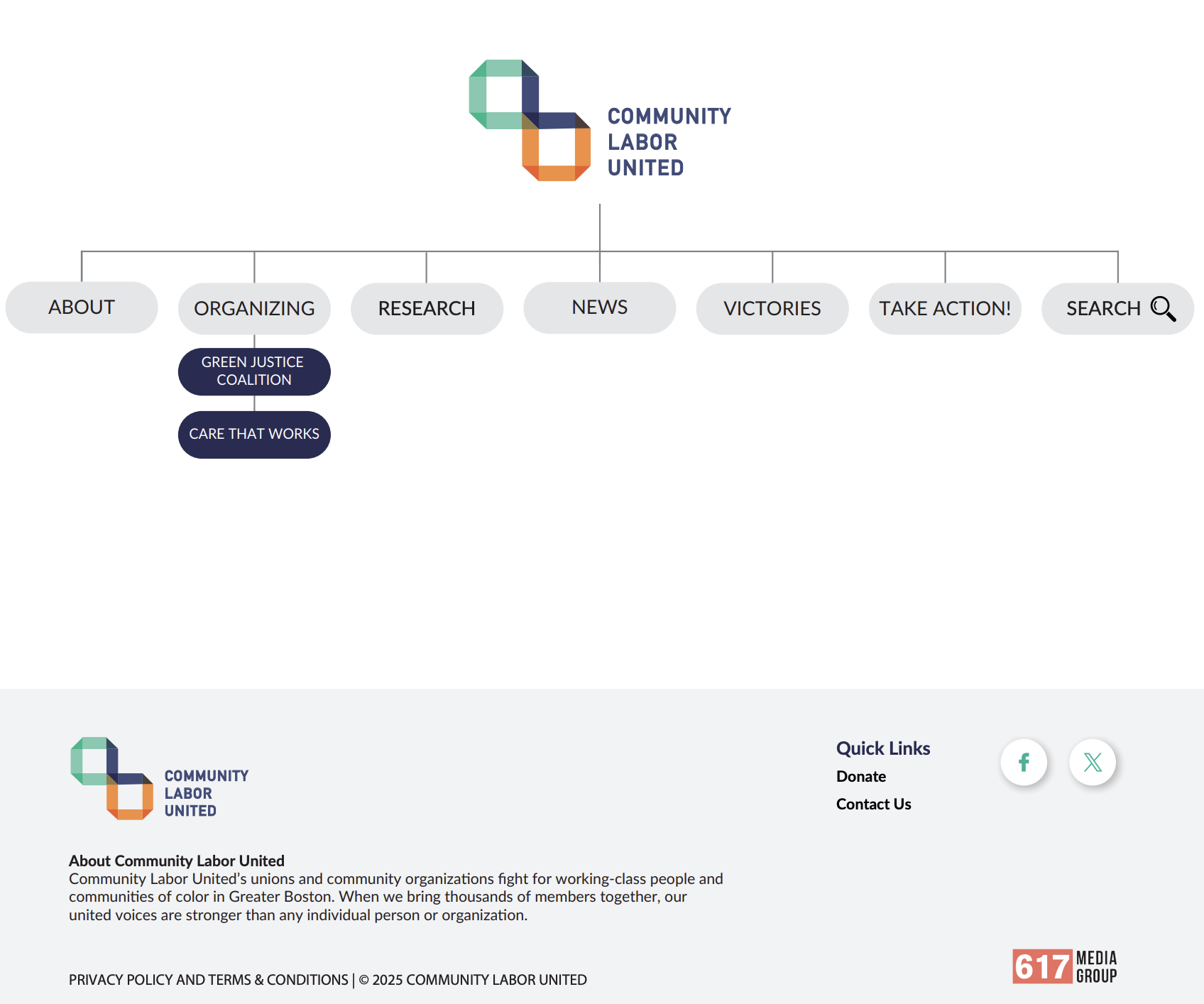
· Web Design · UX/UI Design · Website Audits · Wireframing · Site Mapping · Information Architecture · Content Strategy · Digital Strategy · Visual Research · Digital Asset Design · Client Collaboration · Quality Assurance · Trend Research · Social Media Strategy
· Web Design · UX/UI Design · Website Audits · Wireframing · Site Mapping · Information Architecture · Content Strategy · Digital Strategy · Visual Research · Digital Asset Design · Client Collaboration · Quality Assurance · Trend Research · Social Media Strategy
Company
UPPAbaby HQ
Position
Graphic Design Intern
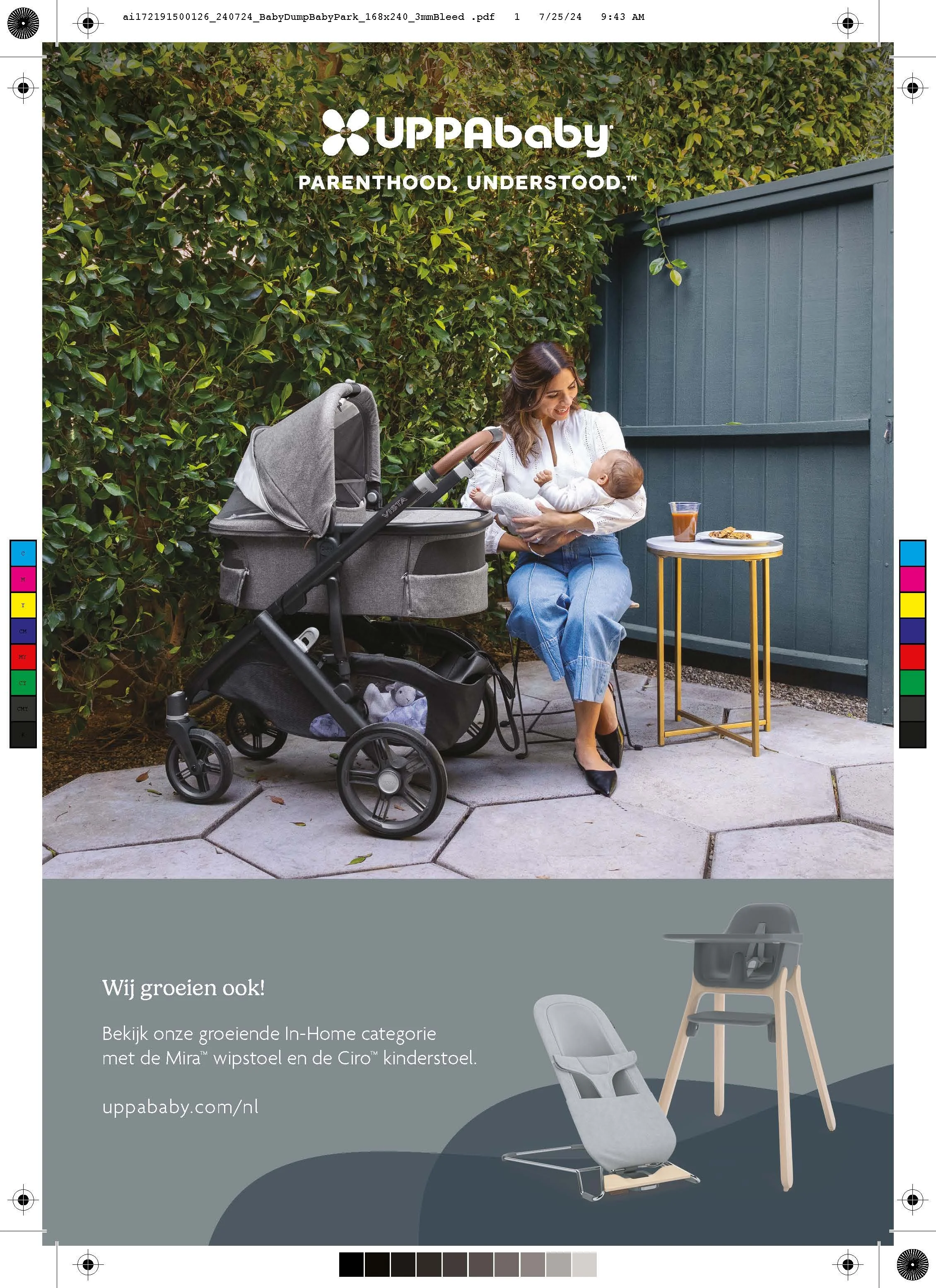
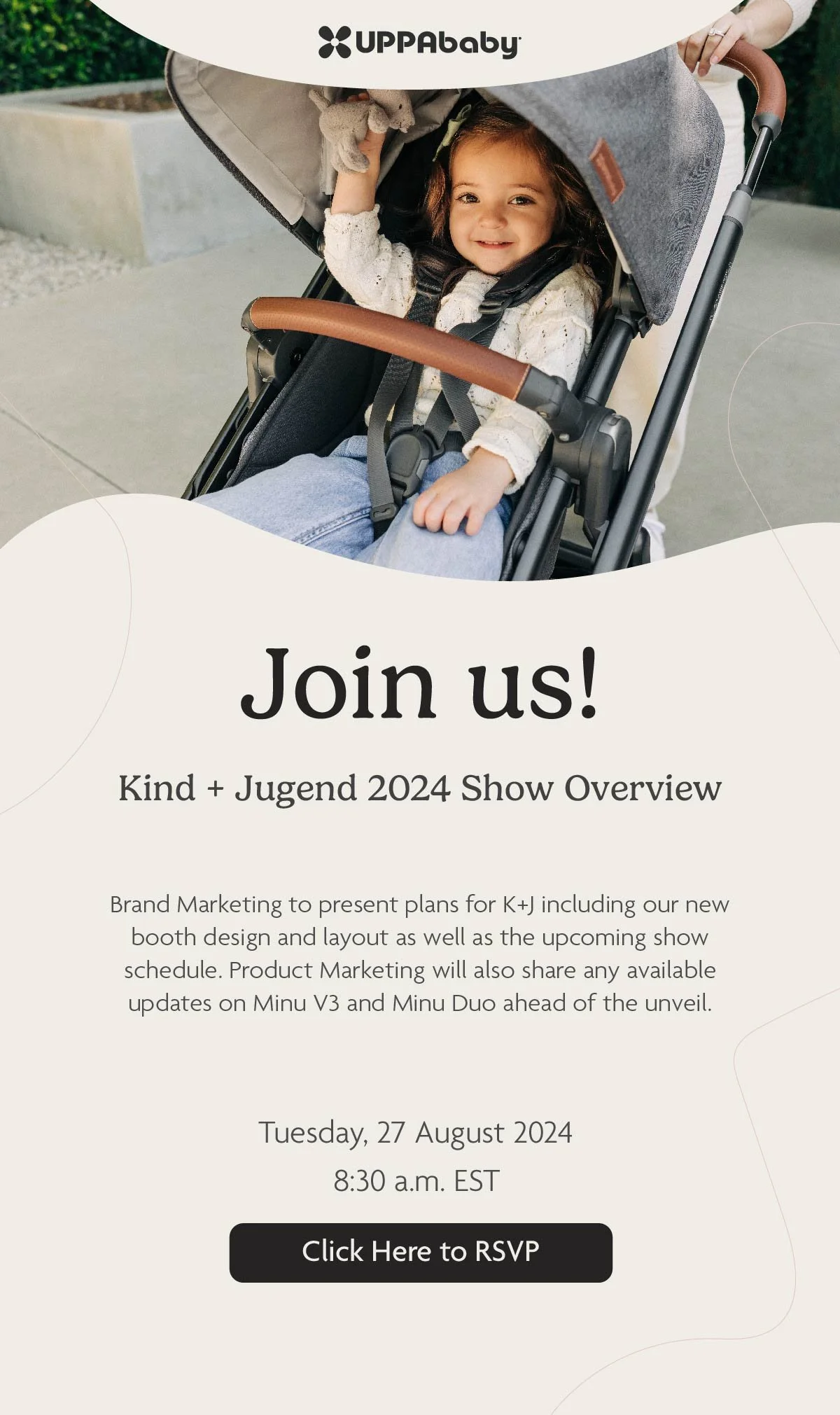

· Brand & Marketing Design · Digital Campaigns · Retail & Print Design · Email Design · Product Launches · E-Commerce Design · Image Retouching · Color Correction · Global Asset Adaptation · Art Direction · Visual Research · Cross-Functional Collaboration
· Brand & Marketing Design · Digital Campaigns · Retail & Print Design · Email Design · Product Launches · E-Commerce Design · Image Retouching · Color Correction · Global Asset Adaptation · Art Direction · Visual Research · Cross-Functional Collaboration
Freelance Projects
Company
KLSY Interior Design
Role
Proposal Template Design Refresh
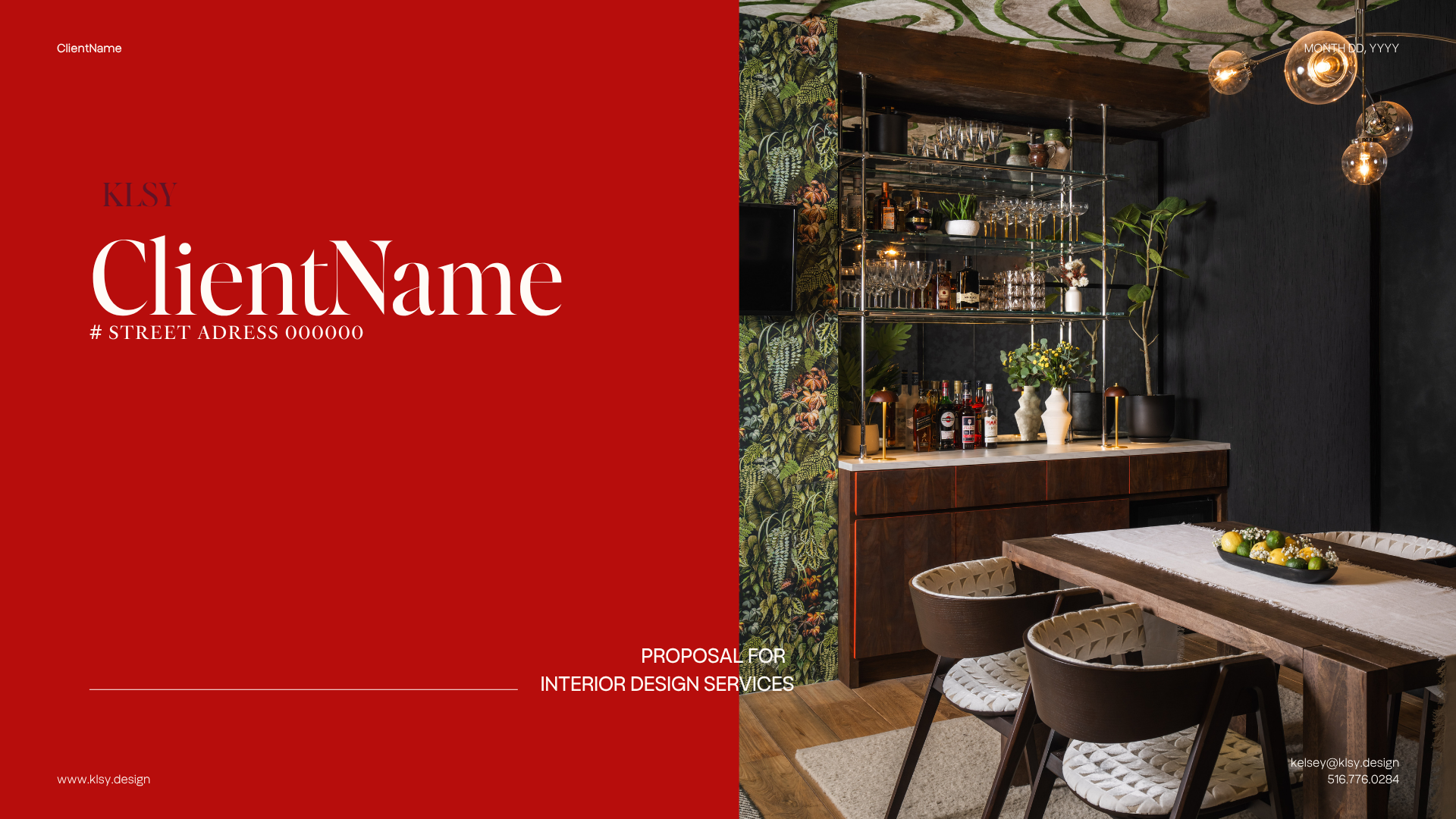
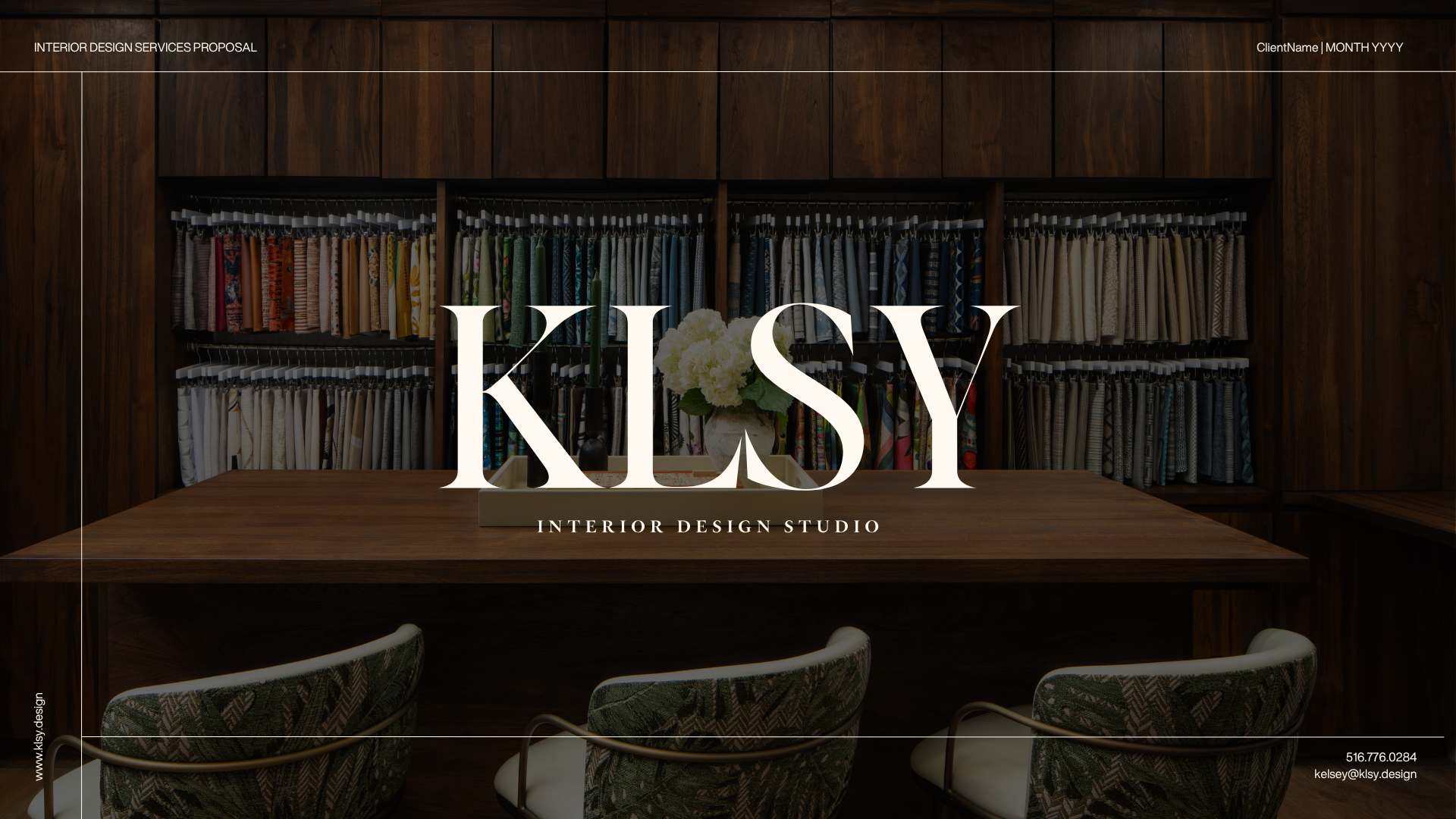
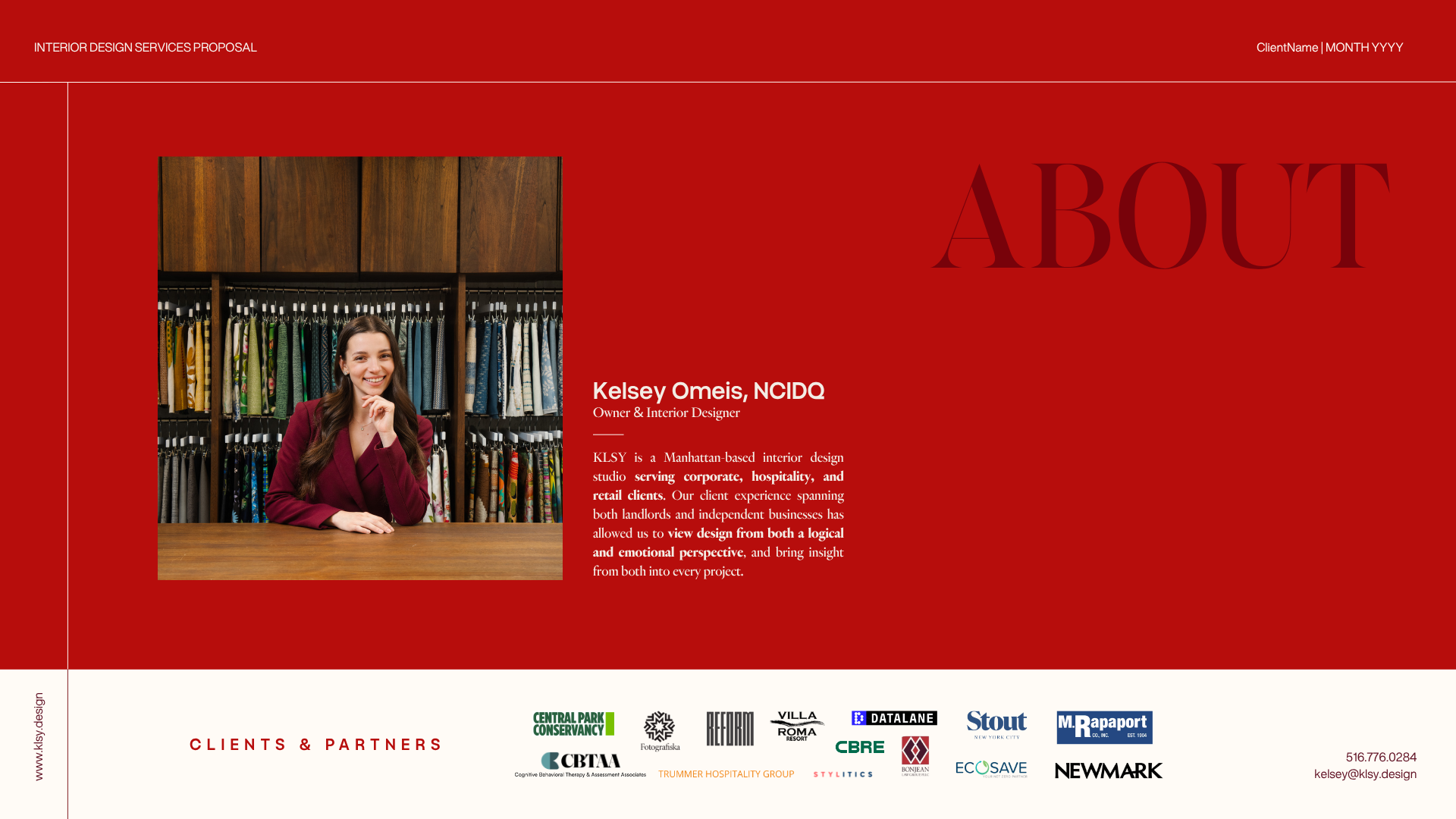
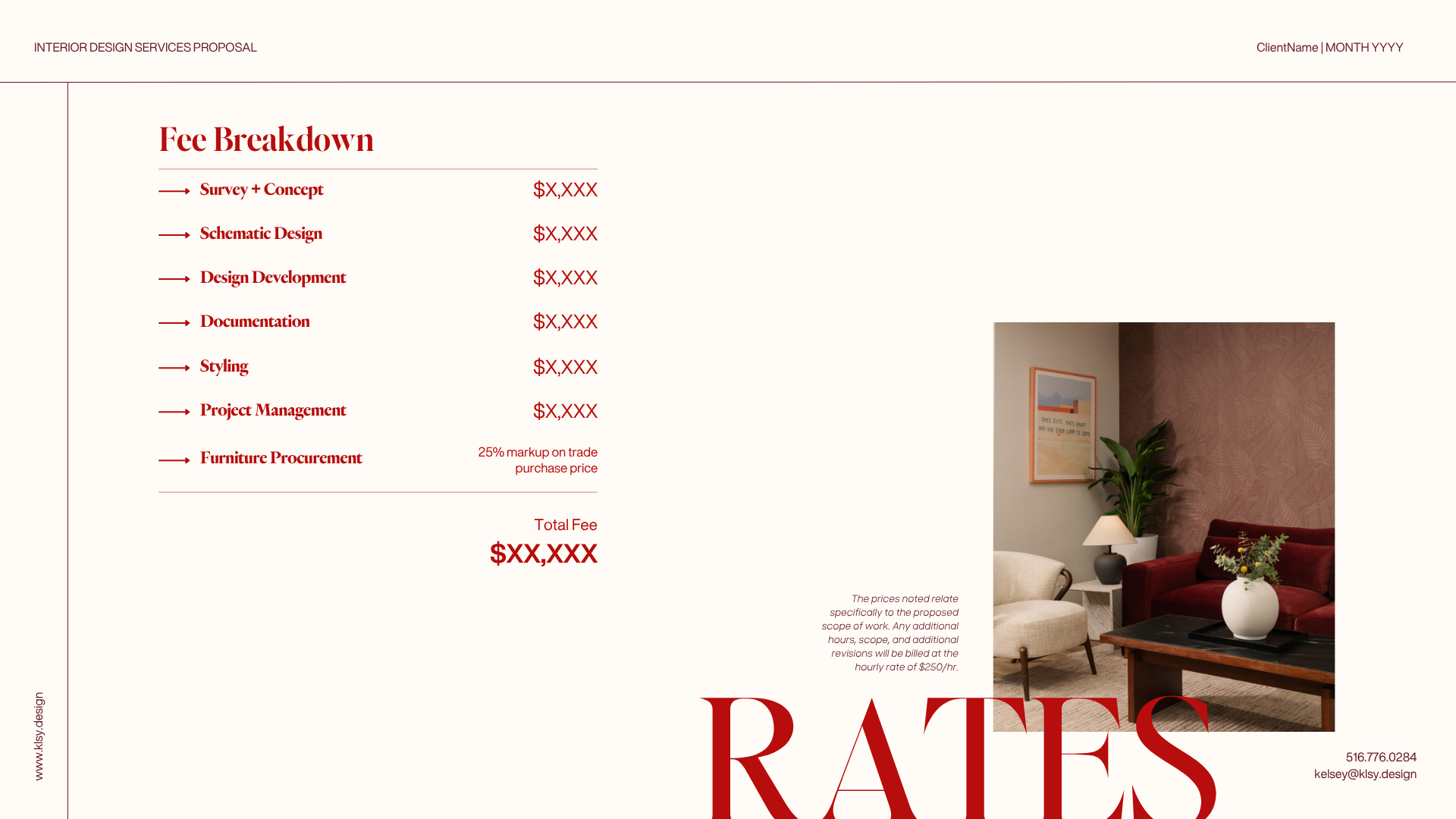
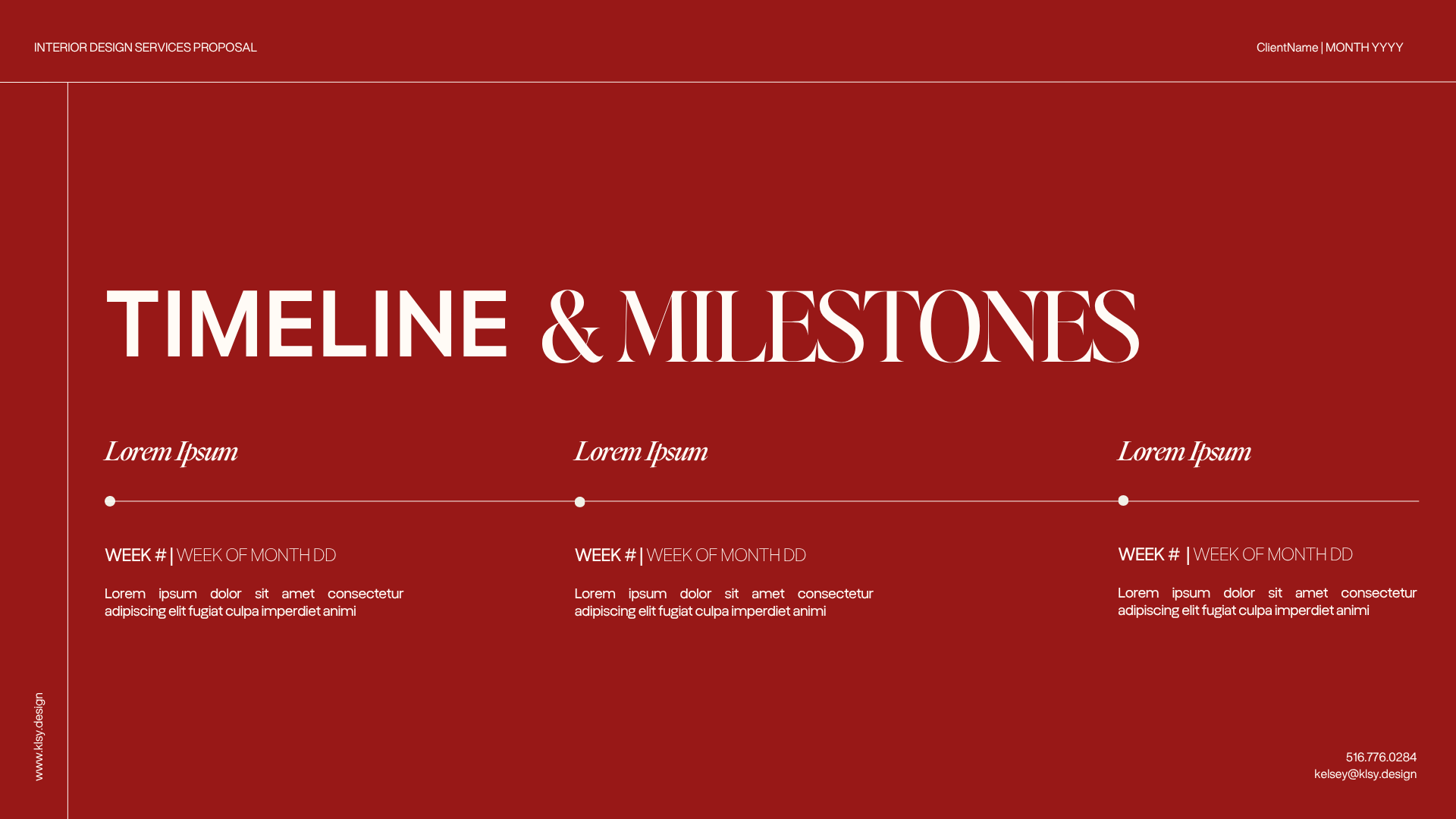
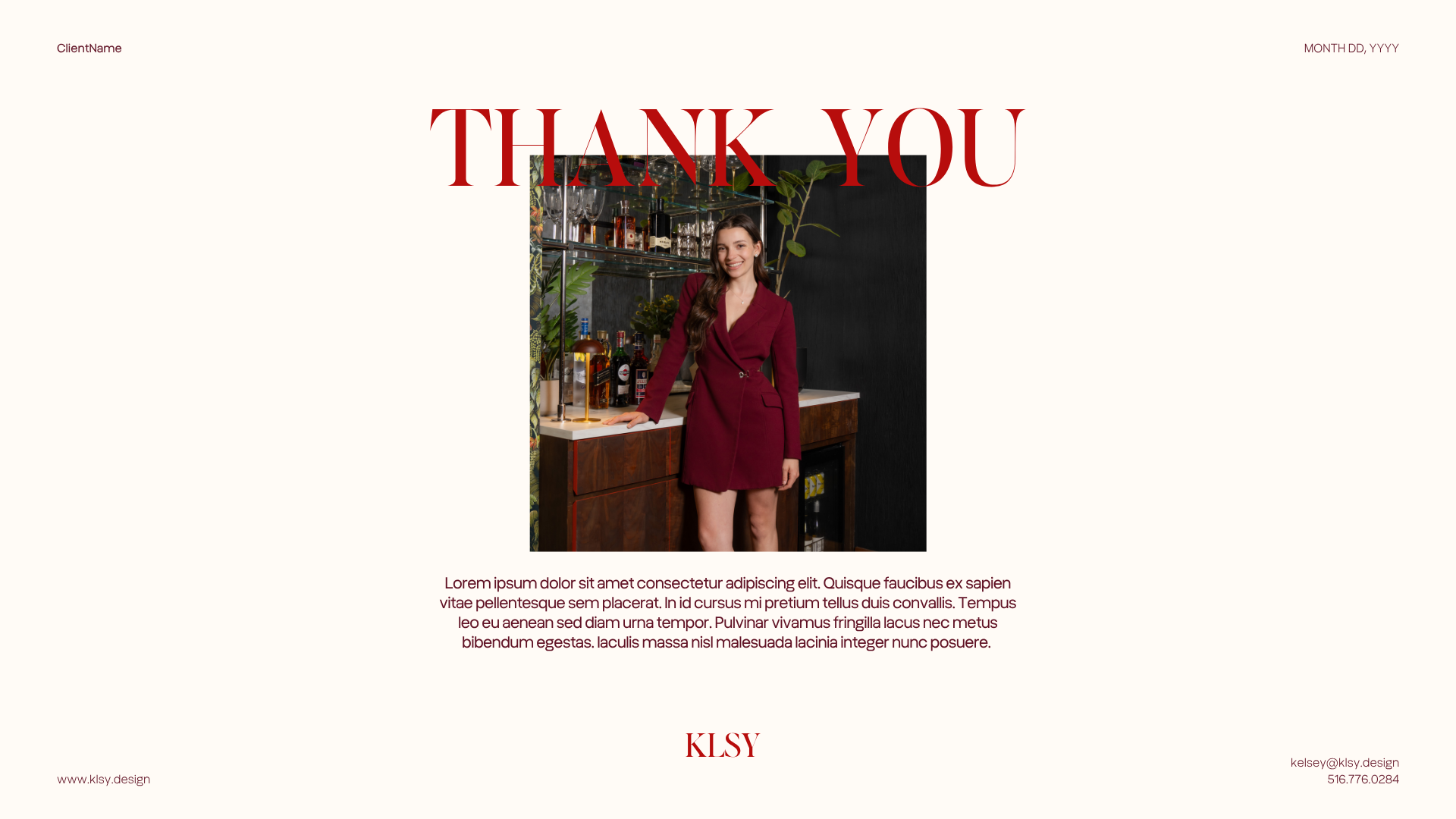
A collaborative redesign of a client-facing proposal deck, transforming existing materials into a polished, cohesive presentation system. The project focused on refining layout, hierarchy, typography, imagery, and color while creating a flexible 16:9 format designed for engaging client presentations.
Company
Flowers Jokers & Dragons Oh Mahj!
Role
Logo Update
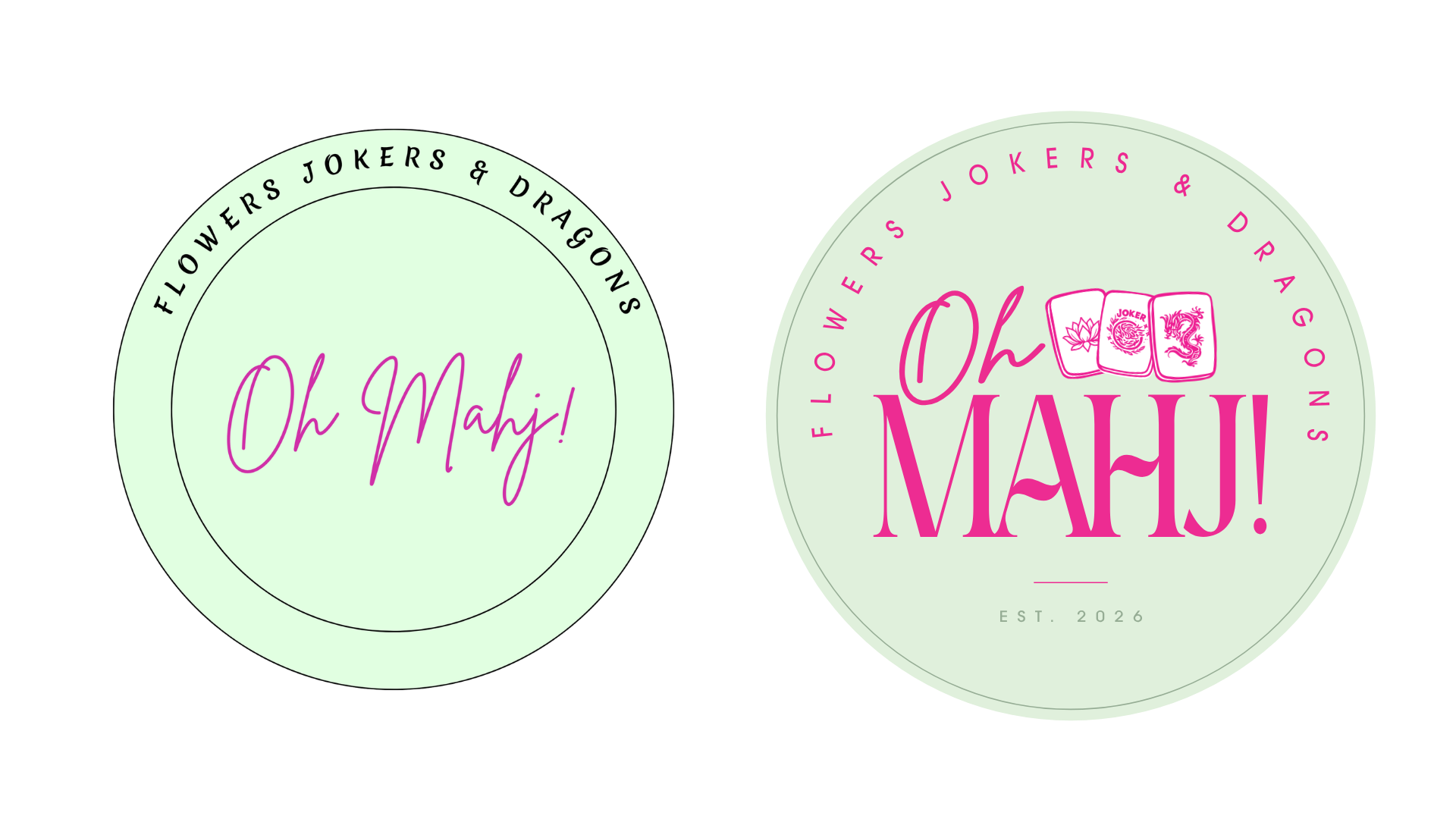
Before
After
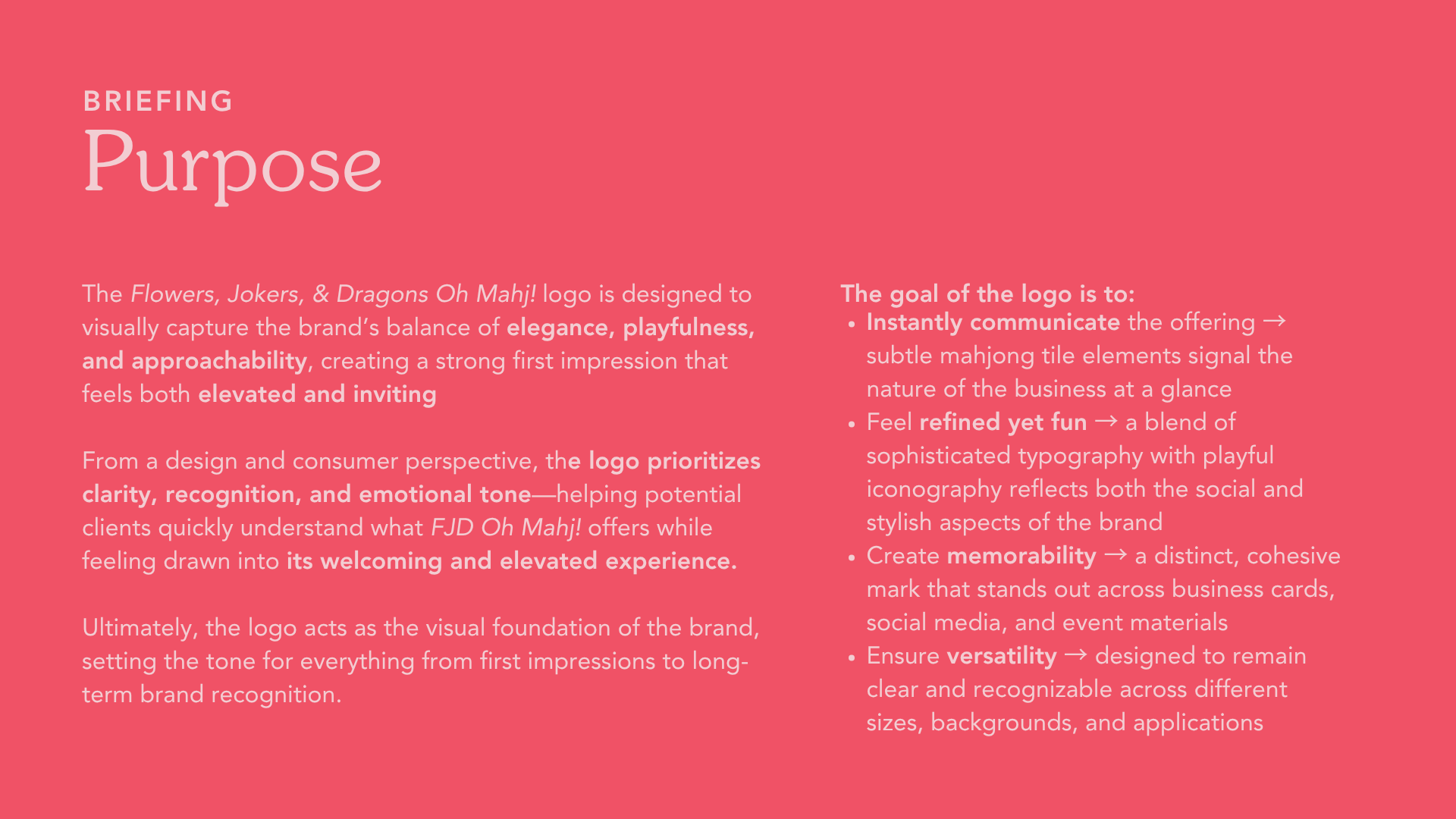
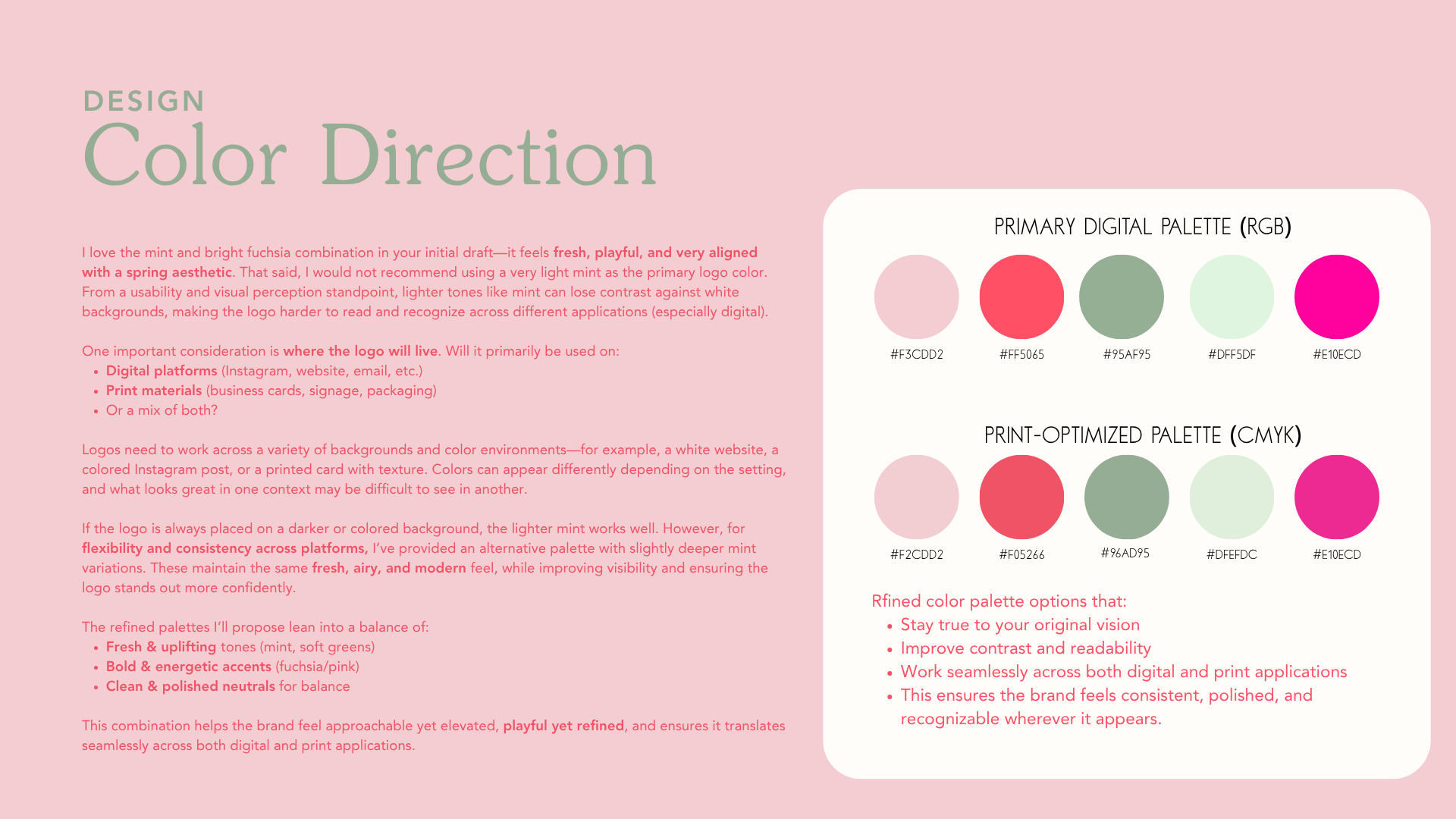
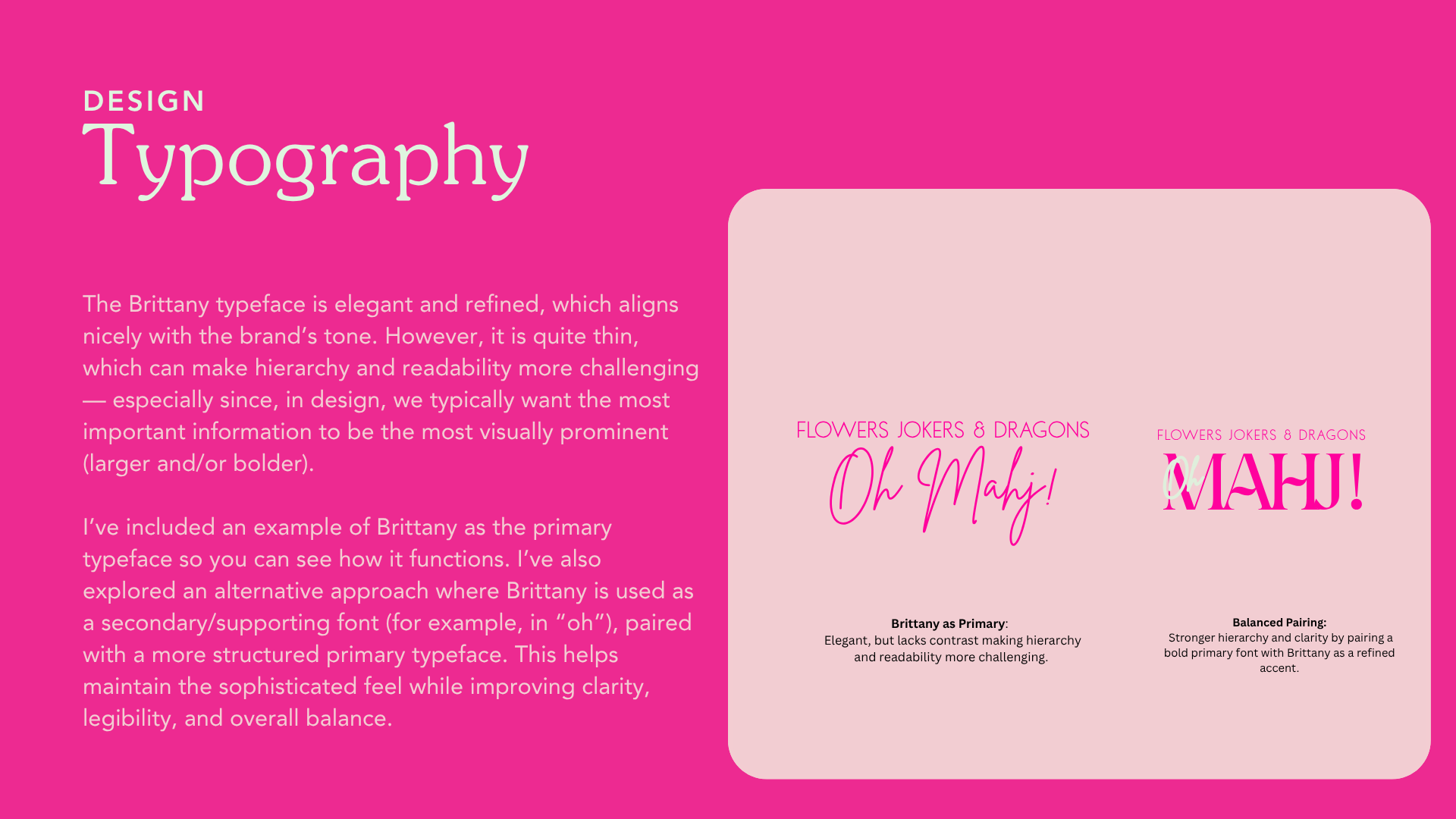
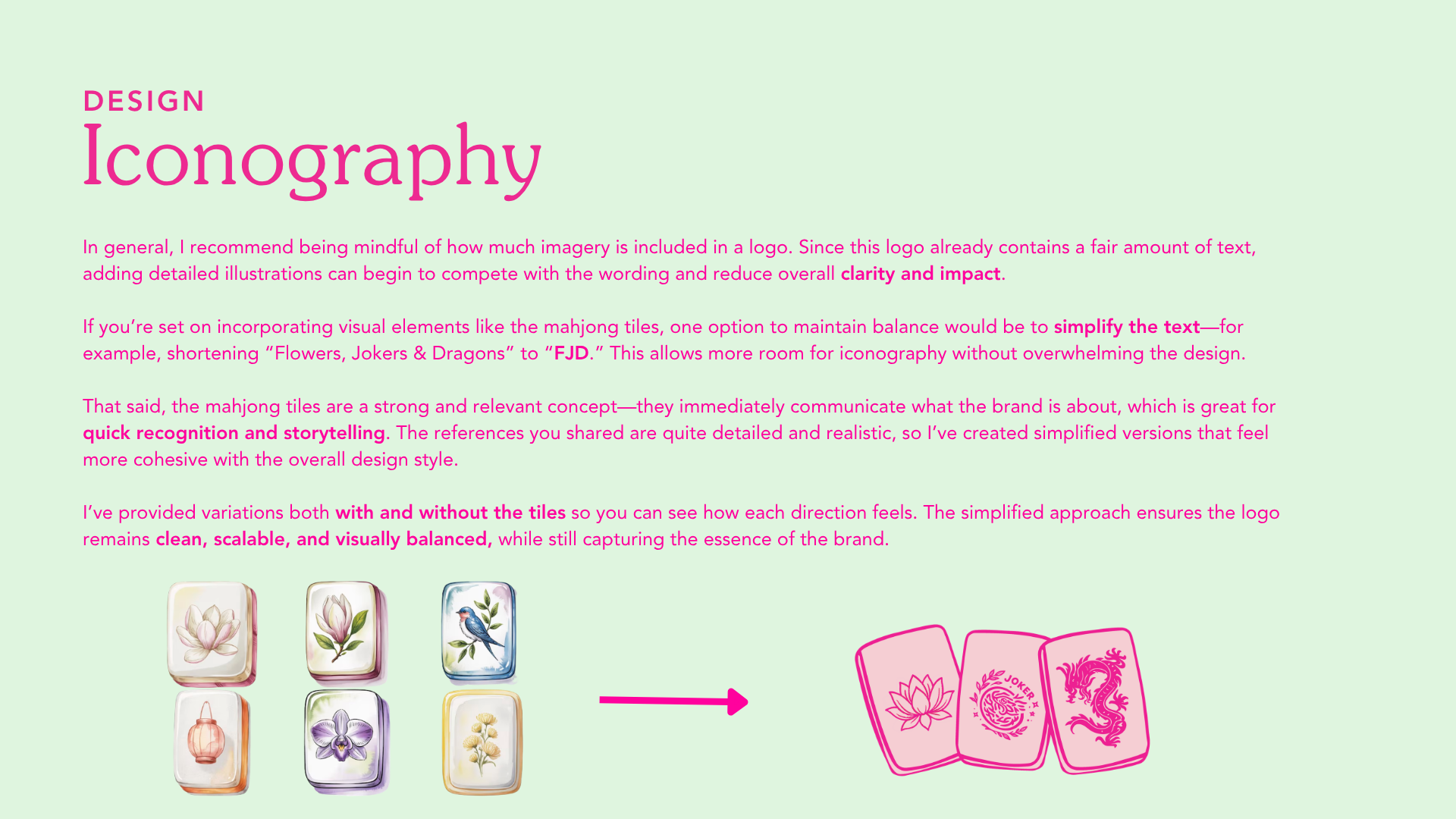
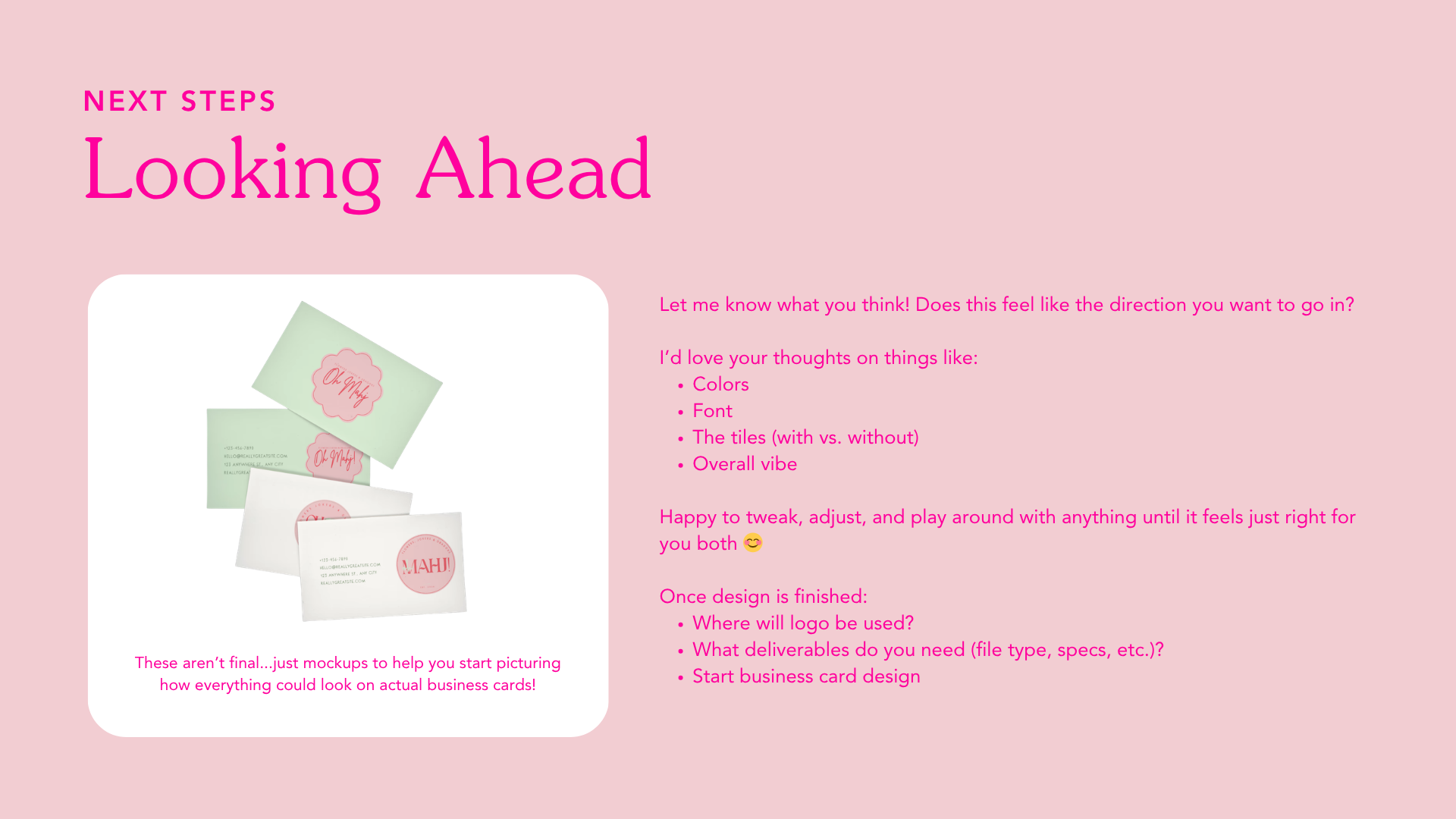
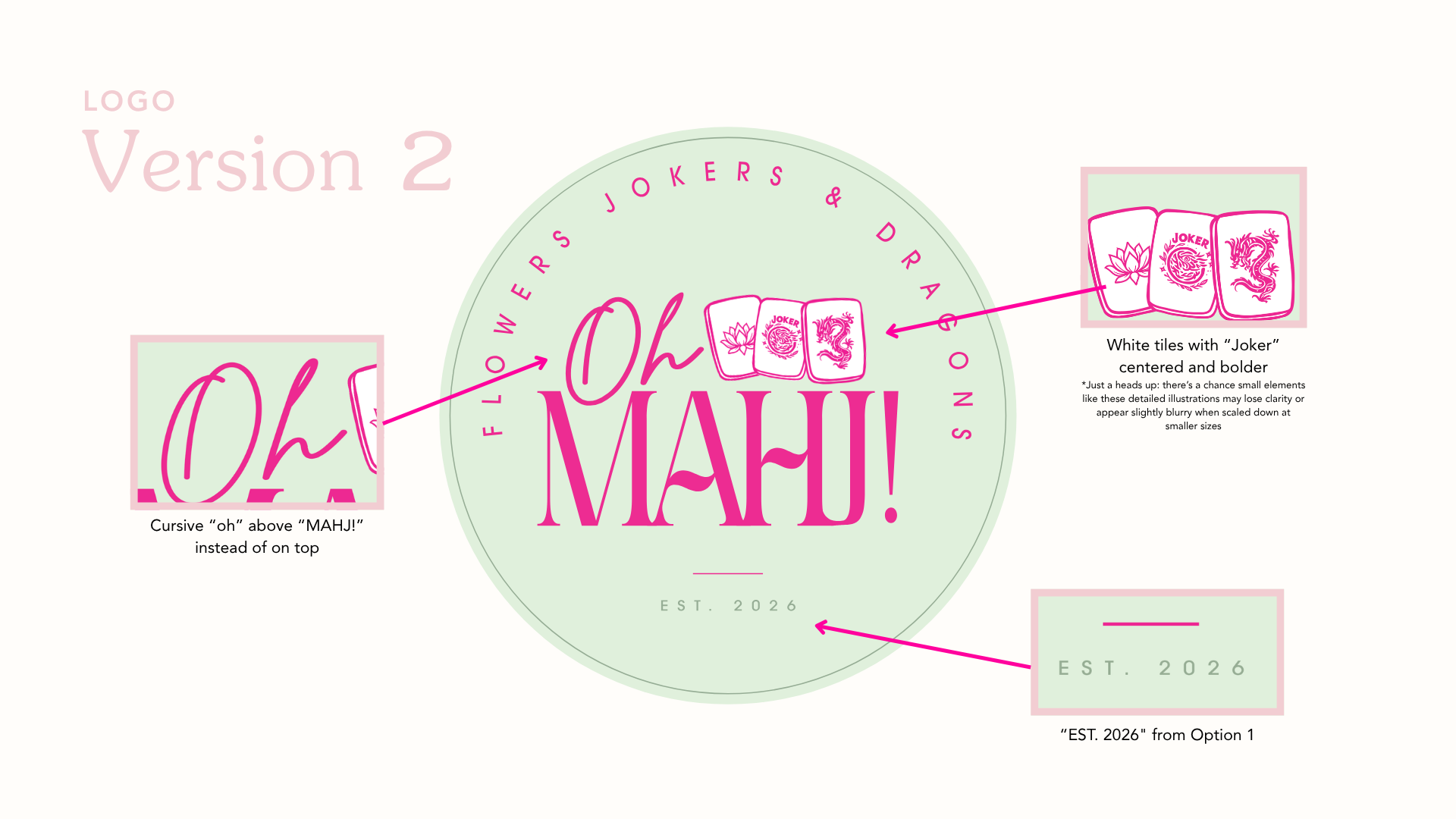
Took an existing logo concept and pushed it further, refining the original idea into a more polished and intentional identity. I improved the typography, proportions, and visual balance while preserving the core concept and personality the client wanted to keep.